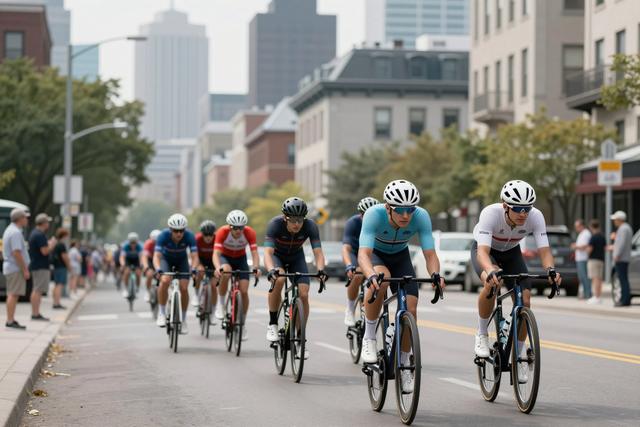
Montreal is finalising plans to host the Road World Cycling Championships in September 2026. City officials say the event is set to attract roughly 550,000 spectators, making it one of the largest gatherings of cycling fans in the sport’s history. The competition will take place across a course that winds through the city’s streets and surrounding areas, offering a global audience a view of Montreal’s urban landscape.
Preparation for the championships has been underway for several months. Municipal departments have been coordinating road closures, security measures, and public transportation adjustments to ensure smooth operation. Temporary facilities for athletes, media and visitors are being installed at designated venues, while local businesses are being briefed on expected visitor flows.
The September event provides an unprecedented international showcase for Montreal. By hosting the world’s top road cyclists, the city will be placed in the spotlight of a sport followed by millions worldwide. The influx of spectators is expected to generate significant activity in hotels, restaurants and tourism services throughout the province.
City leaders have emphasized that the championships align with Montreal’s broader strategy to host major sporting events and to promote the city as a destination for international competitions. The logistical effort reflects the municipality’s capacity to manage large‑scale events while maintaining public safety and city services.
Coordination between the City of Montreal and the World Cycling Championships organizing committee has involved detailed scheduling of race routes, timing of start and finish zones, and placement of timing equipment. Emergency services have been briefed on response protocols, and volunteer recruitment drives have been launched to staff information points and assist with crowd management.
The projected attendance of about half a million people positions the September 2026 championships as a major event on Montreal’s calendar. Organisers anticipate that the concentration of visitors will create temporary demand for accommodation, dining and cultural attractions, providing a short‑term boost to the local economy.