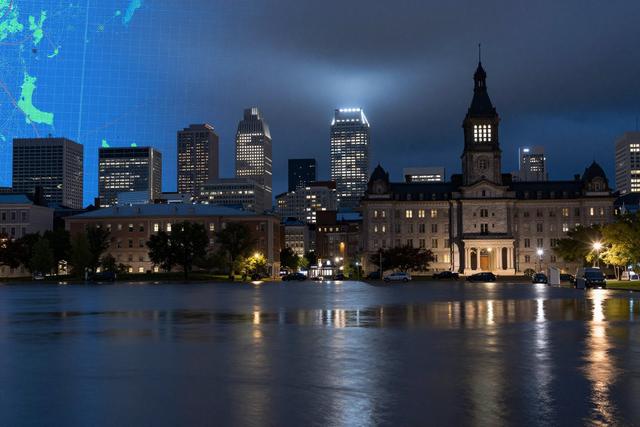
Montreal’s regional authority, the Communauté métropolitaine de Montréal (CMM), formally asked the Quebec provincial government for assistance on August 4, 2026, to launch a project that will identify the city’s most flood‑risk building zones. The request was made in coordination with Mayor Soraya Martinez Ferrada, who highlighted the growing need for precise data to guide future protection measures.
The initiative comes as Montreal continues to experience a rise in heavy‑rain episodes that have translated into more frequent and severe flooding across the city. Recent intense rainstorms have overwhelmed drainage systems and caused water to infiltrate residential and commercial structures, prompting officials to seek systematic ways to anticipate vulnerable sites.
The proposed mapping effort will use geographic and hydrological analysis to pinpoint buildings located in areas most likely to be affected by flood waters. By creating a detailed inventory, city planners aim to prioritize retrofitting, emergency response, and land‑use decisions. The project is intended to serve as a foundational tool for both municipal and provincial agencies as they develop strategies to mitigate flood damage.
Mayor Martinez Ferrada underscored the importance of collaboration between municipal and provincial levels, noting that coordinated action is essential to address the escalating threat posed by climate‑related weather patterns. While specific timelines and funding arrangements were not disclosed, the CMM’s appeal signals a clear intent to secure resources and technical expertise from Quebec’s government.
If approved, the flood‑risk map will be integrated into Montreal’s broader climate‑adaptation framework, allowing authorities to better allocate resources and inform residents about potential hazards. The effort reflects a proactive shift toward data‑driven planning in response to the city’s increasingly unpredictable rainfall.
The request marks a significant step in Montreal’s ongoing response to climate‑induced challenges, aiming to reduce future flood impacts on the built environment and enhance community resilience.