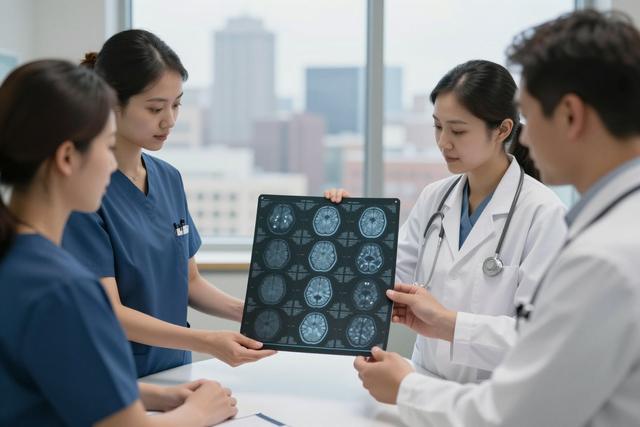
In June 2026, the West Island Women’s Shelter, under the direction of Guylaine Simard, announced a partnership with researchers, physicians, social‑service professionals and police officers to identify and treat traumatic brain injuries among women who have suffered intimate partner violence. The collaborative effort is aimed at closing the gap that often leaves such injuries undiagnosed and untreated.
The joint team will conduct on‑site assessments at the shelter, using medical protocols designed to detect subtle signs of brain trauma. When a potential injury is identified, doctors will provide follow‑up examinations and, if necessary, refer patients to specialized treatment programs. Social workers will coordinate ongoing support, while police liaison officers will help ensure that safety concerns are addressed throughout the process.
Guylaine Simard highlighted that brain injuries can be difficult to recognize because their symptoms—such as memory loss, headaches, and mood changes—are sometimes attributed to stress rather than physical harm. By bringing medical expertise directly into the shelter environment, the initiative seeks to capture cases that might otherwise slip through the health system.
Researchers involved in the project will gather data on the prevalence of traumatic brain injury in the shelter’s population, contributing to a broader understanding of how intimate partner violence impacts neurological health. The information collected will be used to refine screening tools and inform future policy recommendations for victim services across Quebec.
Police participation reflects a growing recognition that law‑enforcement agencies have a role in supporting victims beyond immediate safety concerns. Officers will receive training on the signs of brain injury and will work with the shelter staff to ensure that any legal proceedings consider the medical condition of the survivor.
The collaboration marks a coordinated response to a hidden health crisis, aiming to improve detection, treatment and long‑term outcomes for women affected by intimate partner violence in Montreal.