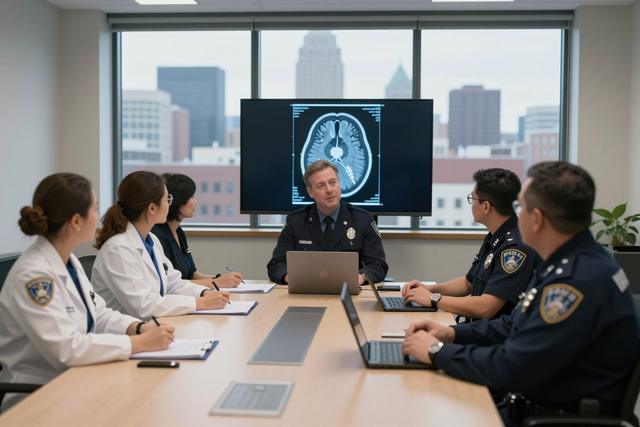
Monday, June 29, 2026 – The West Island Women’s Shelter in Montreal announced a new partnership with local researchers, doctors, social workers and police to address a hidden health crisis among victims of intimate partner violence. The collaboration is designed to provide on‑site assessment and treatment for women who have sustained traumatic brain injuries during abusive relationships.
Intimate partner violence often leaves survivors with head injuries that go unrecognised. Medical professionals note that many victims experience symptoms such as memory loss, headaches and mood changes that are frequently attributed to stress rather than to a concussion or more serious brain trauma. The lack of diagnosis can delay or prevent access to appropriate care, compounding the physical and psychological toll of abuse.
The shelter’s initiative brings together expertise from several sectors. Researchers will conduct screenings to identify signs of brain injury, doctors will offer medical evaluation and follow‑up care, social workers will coordinate counseling and support services, and police officers will assist with safety planning and legal referrals. Guylaine Simard, a coordinator at the West Island Women’s Shelter, said the joint effort aims to fill the gap that has long left many survivors without proper medical attention.
By embedding medical assessment within the shelter environment, the program seeks to reduce the barriers that often prevent women from seeking care, such as fear of retaliation, lack of transportation, or uncertainty about where to turn. The coordinated approach also enables information sharing among professionals, ensuring that each woman's case is handled with a comprehensive view of her health and safety needs.
Officials hope the model will serve as a template for other communities facing similar challenges. If successful, the integrated response could improve outcomes for women whose brain injuries have previously been overlooked, reinforcing the broader goal of protecting vulnerable populations from the long‑term effects of intimate partner violence.