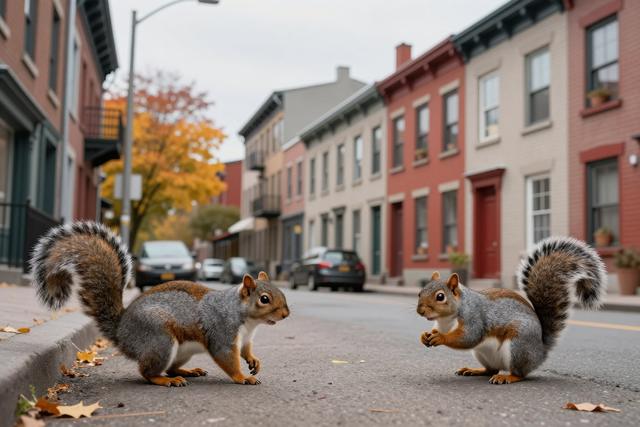
Squirrels roaming the streets of Montreal have been observed displaying fur colors that correspond to the specific neighborhoods they occupy, a pattern linked to local environmental conditions. The phenomenon was recorded on Thursday, 24 September 2026, and highlights how the city’s varied microclimates can influence the physical traits of its wildlife.
Researchers studying the city's animal populations note that the differences in temperature, vegetation, and urban density across Montreal create distinct habitats. These subtle variations appear to affect the coloration of squirrel fur, resulting in noticeable differences from one district to another. In areas with denser tree cover and cooler microclimates, squirrels tend to exhibit darker shades, while those in sunnier, more open neighborhoods show lighter, more muted tones.
The observation adds to a growing body of evidence that urban environments can produce localized adaptations in wildlife. Montreal’s patchwork of parks, riverbanks, industrial zones, and residential blocks generates a range of conditions that can shape the appearance and behavior of species that inhabit them. By mapping fur color changes against neighborhood characteristics, scientists hope to better understand how animals respond to the fine‑grained environmental mosaic of a major city.
While the exact mechanisms behind the color shifts remain under investigation, the correlation between habitat features and squirrel appearance underscores the influence of microclimates on urban fauna. The findings may also serve as a visual indicator of ecological diversity within the city, offering residents a tangible reminder of the subtle ways their neighborhoods affect the natural world around them.
The study emphasizes that even common species such as squirrels can reflect broader environmental patterns, reinforcing the importance of monitoring urban ecosystems as they evolve.