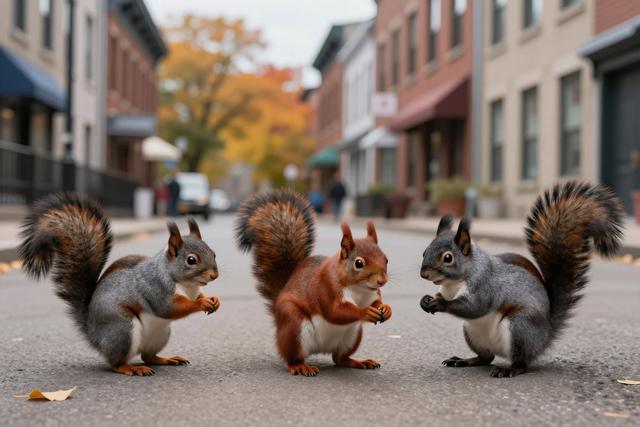
Scientists studying urban wildlife in Montreal have documented that the fur coloration of the city’s squirrels varies from one neighbourhood to another. The observation, recorded on Thursday, September 24, 2026, points to local environmental conditions as the primary factor influencing these physical differences.
The research team noted that squirrels inhabiting areas with denser tree cover and cooler microclimates tend to display a different shade of coat compared with those living in open, sun‑exposed districts. While the exact hues were not quantified, the pattern suggests a correlation between the surrounding habitat and the animals’ external appearance.
Montreal’s landscape is characterized by a patchwork of microclimates, ranging from riverfront zones with higher humidity to elevated districts that experience more wind and temperature fluctuation. These subtle variations create distinct ecological niches within the city limits. According to the scientists, such niches can affect the development of physical traits in resident species, including the coloration of squirrel fur, which may serve functions related to camouflage, thermoregulation, or social signaling.
The findings align with broader ecological research indicating that urban environments, despite their compact size, host a diversity of habitats that can drive localized adaptation. By documenting the link between neighbourhood‑specific conditions and squirrel fur color, the study adds to a growing body of evidence that city wildlife responds dynamically to the mosaic of resources and stresses present in metropolitan areas.
Understanding how microclimates shape animal characteristics can inform urban planning and conservation strategies. If the traits of species such as squirrels are sensitive to changes in habitat composition, alterations to green spaces, tree planting initiatives, or climate‑related shifts could have measurable impacts on the city’s biodiversity. The researchers intend to continue monitoring the squirrel populations to track how ongoing environmental changes may further influence their physical traits.