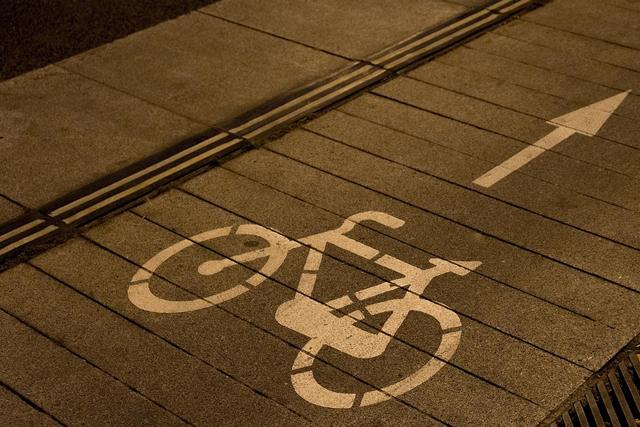
The City of Montreal announced a public consultation on Friday, July 31, 2026, to address safety and coexistence on four bike lanes that have been identified as problematic. The initiative, led by Mayor Martínez Ferrada’s administration, seeks input from residents, cyclists and other road users to find ways to reduce ongoing tensions and promote more harmonious street sharing.
The consultation follows a period of continued conflicts between cyclists and motorists on several bike routes across the city. By opening a dialogue, municipal officials aim to gather ideas and feedback that could inform adjustments to the design, signage, or enforcement measures on the four targeted lanes. The city’s approach emphasizes collaborative problem‑solving rather than unilateral changes.
Mayor Martínez Ferrada’s team highlighted that the four lanes were selected because they have experienced the most frequent incidents and complaints. While specific details of the consultation process were not disclosed, the city has indicated that the public will have opportunities to share observations, concerns and suggestions regarding how cyclists and other road users can share the streets more safely.
Officials noted that improving coexistence on these bike lanes is part of a broader effort to enhance overall traffic safety in Montreal. The consultation is intended to complement existing measures aimed at protecting vulnerable road users and to ensure that any future modifications reflect the needs of the community.
Montreal’s municipal government has a history of addressing transportation challenges through public engagement, and this latest step continues that pattern. By focusing on the four bike lanes where conflict has been most acute, the city hopes to develop practical solutions that can be implemented promptly, thereby reducing friction between cyclists and motorists and fostering a more cooperative urban environment.
The consultation is open to all interested parties, and the city encourages participation to help shape the future of cycling infrastructure in Montreal.