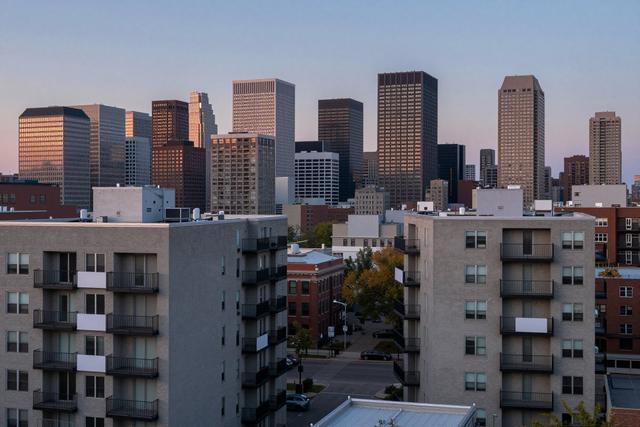
Nearly 25,000 residential units are currently vacant in Montreal, according to a report released on June 17, 2026. The figure highlights a stark contrast between a growing housing shortage and a large inventory of empty homes in the city.
The data, compiled by municipal authorities, shows that the vacant units represent a significant portion of the rental and ownership market. While demand for affordable housing continues to rise, the number of unoccupied dwellings suggests that a substantial supply is not being utilized.
City officials have noted that the vacancy rate contributes to the broader housing crisis affecting many residents. The shortage has been linked to rising rents and limited availability of suitable accommodation for families and individuals seeking stable housing. At the same time, the presence of nearly 25,000 empty units underscores the complexity of the market dynamics.
Analysts point to several factors that may explain the disparity, including property owners holding units for investment purposes, regulatory constraints, and seasonal occupancy patterns. However, the report does not attribute the vacancies to any single cause, emphasizing instead the scale of the issue.
The municipal government is reportedly reviewing policies aimed at encouraging the activation of vacant properties. Potential measures under consideration include incentives for landlords to rent out empty units, penalties for prolonged vacancies, and programs to facilitate the conversion of unused spaces into affordable housing.
Stakeholders across the housing sector are watching the situation closely, as the balance between vacant supply and unmet demand remains a critical concern for Montreal's social and economic stability. The city continues to grapple with finding effective solutions that can reduce the number of empty homes while addressing the urgent need for more accessible housing options.