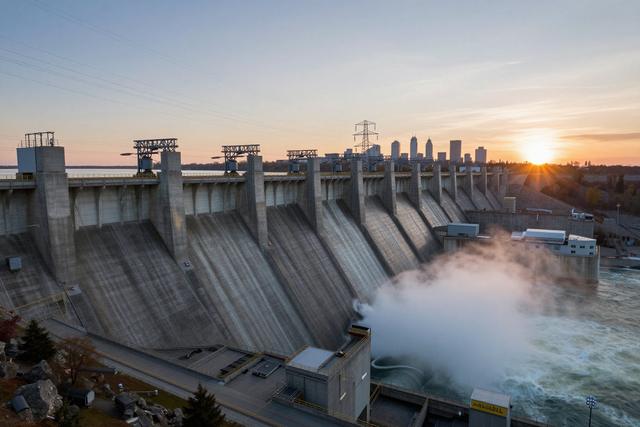
A fresh inter‑provincial agreement announced on Friday will boost the amount of electricity flowing to Quebec from the Churchill Falls hydroelectric complex by 40 percent, while also widening generation capacity for both Quebec and Newfoundland and Labrador. The deal, signed between the two provincial governments, revises the long‑standing arrangement that has seen Labrador’s water‑powered plant supply power across provincial borders.
Under the new terms, the volume of electricity delivered to Quebec will rise substantially, reflecting a concerted effort to tap more of the hydroelectric output of the Churchill Falls facility. At the same time, the agreement calls for an expansion of overall generation capacity, a move that benefits both partner provinces by increasing the total amount of power that can be produced and shared.
Churchill Falls, located in Labrador, has been a cornerstone of regional energy supply since its construction, historically providing electricity to Newfoundland and Labrador and exporting surplus power to Quebec under earlier contracts. The revised arrangement updates that legacy framework, aiming to make better use of the plant’s capabilities in a changing energy landscape.
Officials from both provinces said the updated pact is intended to enhance reliability and meet growing demand without detailing specific timelines or financial terms. The emphasis on a larger output aligns with broader objectives to strengthen inter‑provincial energy cooperation and secure a stable supply for consumers and industry alike.
The announcement comes as part of ongoing discussions about how Canada’s eastern provinces can coordinate resources to address future power needs. By increasing the share of electricity that Quebec receives and enlarging generation capacity for both sides, the agreement seeks to reinforce the strategic importance of the Churchill Falls complex within the regional grid.
While the precise impact on electricity rates or infrastructure projects was not disclosed, the 40 percent increase marks a significant shift in the flow of power from Labrador to Quebec, underscoring the continued relevance of the historic hydroelectric site in meeting provincial energy goals.