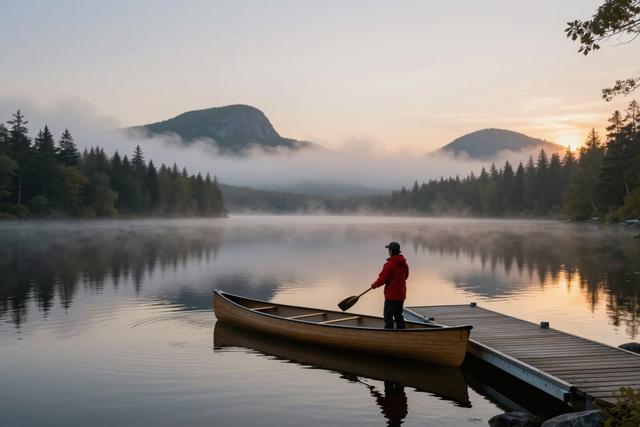
Tom Hudson, a traveler from New Zealand, reached Montreal on August 11, 2026 after spending two years paddling across Canada. The journey began when Hudson bought a canoe two years ago despite having no prior experience on the water. He set out from the western side of the country and navigated a network of lakes and rivers that stretch across the nation, eventually arriving at the eastern port city of Montreal.
Hudson was accompanied for part of the expedition by Sean Henry, whose involvement is noted alongside Hudson’s name in reports of the trek. Together they traversed diverse landscapes, moving from the rugged western provinces through the central plains and into the forested regions of eastern Canada. The pair covered a distance that spanned the length of the country, using only the canoe as their primary means of transport.
The two‑year trek required Hudson to acquire paddling skills on the job, learning to manage the canoe in varying weather conditions and water currents. Throughout the journey, the travelers relied on the natural waterways that link Canada’s vast interior, stopping at small communities and remote campsites along the way. Their arrival in Montreal marks the conclusion of a continuous overland waterborne expedition that began without formal training.
Local observers noted the arrival of the canoe on the banks of the St. Lawrence River, where Hudson and Henry were greeted by onlookers. The completion of the trek highlights the possibility of crossing the entire country by water, a route that follows historic travel corridors used by Indigenous peoples and early explorers. Hudson’s expedition, spanning two years, demonstrates a personal commitment to endurance travel and a unique way of experiencing Canada’s geography.