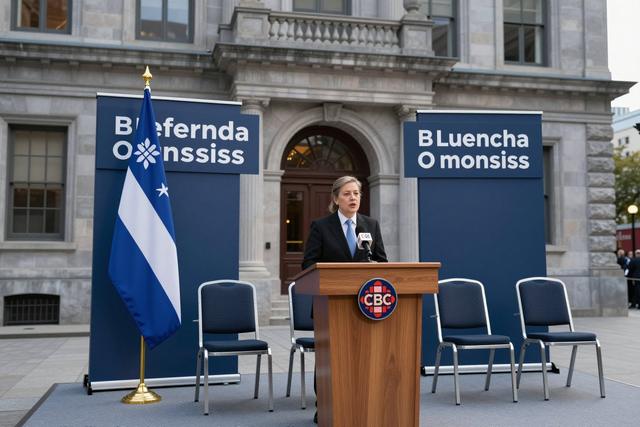
Kelly Burke, newly appointed as Canada’s official languages commissioner, addressed the challenge of safeguarding French while supporting English‑speaking communities in Quebec during a briefing in the province this year. Speaking on behalf of the Office of the Commissioner of Official Languages, Burke emphasized that the mandate requires both the preservation of the French language, which underpins Quebec’s cultural identity, and the recognition of the rights of minority English speakers. She outlined a strategy that includes regular monitoring of language policies, dialogue with community groups, and the promotion of bilingual services where feasible.
Peter Tardif, a senior official in the commissioner’s office, was present at the event and reiterated the importance of a balanced approach that respects constitutional language guarantees across Canada. Both officials noted that the commissioner’s role involves overseeing language rights nationwide and that Quebec’s historical tensions between French‑majority legislation and English‑speaking minorities demand careful attention.
Burke’s remarks came as part of broader efforts to ensure that French remains vibrant in Quebec while the province’s English‑speaking residents continue to access public services in their language. She indicated that the office will work with provincial authorities to review existing statutes and to advise on adjustments that do not compromise French language protection. At the same time, the commissioner’s office will seek input from English‑language community leaders to identify barriers to service delivery and to propose solutions that enhance accessibility.
The briefing highlighted that the commissioner’s responsibilities extend beyond Quebec, covering language rights in all regions of Canada. Nonetheless, Quebec’s unique linguistic landscape makes it a focal point for the office’s work. By articulating a clear plan for cooperation and oversight, Burke signaled a commitment to uphold both language communities, aiming to reduce long‑standing tensions and to foster a more inclusive linguistic environment in the province.