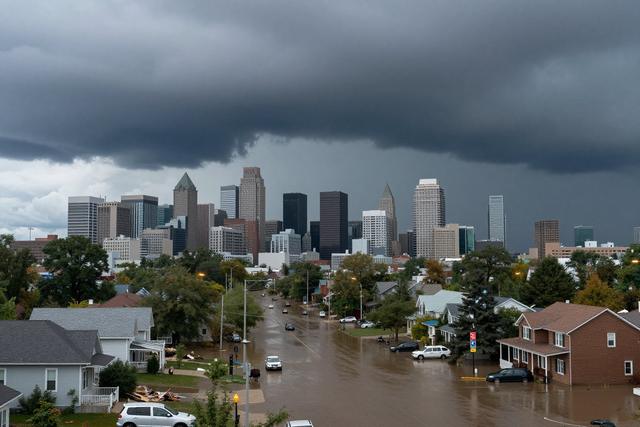
Strong summer storms that swept across Ontario and Quebec in 2026 have resulted in insured damage estimated at $439 million, according to a recent assessment by Catastrophe Indices and Quantification Inc. The report, which evaluates the impact of severe weather on the insurance market, places the combined losses from the two provinces among the costliest weather events recorded for the region this year.
The storms, described in the study as unusually intense for the season, produced widespread damage to residential and commercial properties. Roofs were torn off, trees fell onto structures, and flooding affected basements and lower‑level spaces. Insurers faced a surge in claims as policyholders sought compensation for repairs and replacements, contributing to the total insured loss figure released by the analysis firm.
Catastrophe Indices and Quantification Inc. compiled the estimate by reviewing claim data submitted to insurers operating in Ontario and Quebec. The organization’s methodology aggregates reported losses and applies modeling techniques to arrive at a market‑wide figure. The $439 million total reflects only the portion of damage covered by insurance policies, excluding any uninsured losses that may have occurred.
The financial impact underscores the vulnerability of the region’s built environment to extreme summer weather. While the report does not attribute the storms to any single cause, it notes that the frequency and intensity of such events have been rising in recent years, prompting insurers to monitor exposure closely. The assessment will likely inform underwriting practices and pricing decisions for future policies covering wind, hail, and flood risks in the affected provinces.
Industry analysts anticipate that the heightened loss experience may lead to adjustments in premium structures and risk‑management strategies for both existing and prospective policyholders. The $439 million insured damage estimate serves as a benchmark for evaluating the economic repercussions of severe summer storms and may influence future preparedness initiatives across Ontario and Quebec.