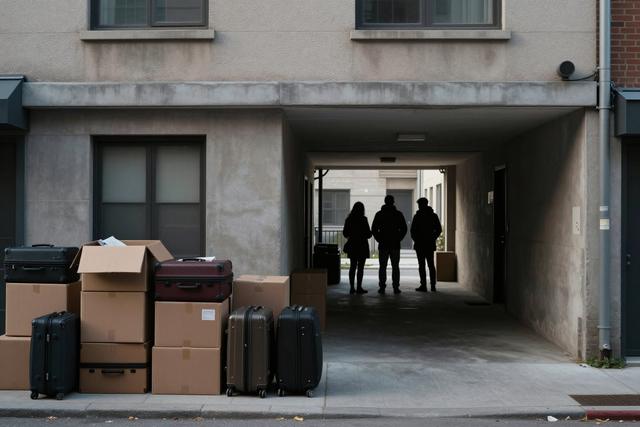
More than 2,000 households in Quebec found themselves without a lease or a home after the province’s annual July 1 moving day. The count reflects renters who were unable to secure new tenancy agreements as the traditional date for lease changes passed.
The situation emerged across the province, affecting families and individuals who had relied on the July 1 deadline to transition to new rentals. With no new contracts in place, these households faced immediate uncertainty about where they would live.
Housing advocates have pointed to the episode as evidence that recent efforts to increase the supply of apartments have not resolved the broader affordability crisis. They note that despite a rise in the number of rental units, many renters still cannot afford market rates, leading to a backlog of people without secure housing each year.
The July 1 moving day is a long‑standing practice in Quebec, marking the date when most residential leases end and new ones begin. While the tradition is intended to provide a clear schedule for both landlords and tenants, it also concentrates demand for available units on a single day. When supply does not meet that demand, the result can be a surge of households left without a place to stay.
Advocates are calling for policies that go beyond simply adding more apartments. Their focus includes measures that address rental pricing, income support for low‑income renters, and mechanisms to ensure that new housing remains affordable over the long term. They argue that without such steps, the province is likely to see recurring spikes in homelessness each moving day.
The current figure of over 2,000 households without housing underscores the persistence of the issue and highlights the need for a comprehensive response to Quebec’s rental market challenges.