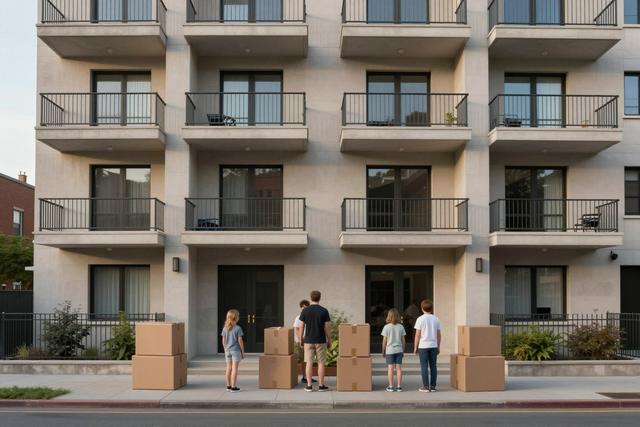
More than 2,000 households in Quebec found themselves without a lease after the province’s traditional July 1 moving‑out day, a milestone that traditionally signals the end of many rental agreements.
The figure, reported by housing advocates, reflects a growing gap between the number of people needing affordable rental units and the supply available. While the province continues to build new apartments, advocates say the increase in lease‑less households shows that construction alone has not eased the underlying affordability problem.
Quebec’s annual moving day, observed each year on July 1, marks the date when most residential leases expire. For many renters, the day is a routine transition to a new dwelling. This year, however, the transition left thousands still searching for a place to call home, underscoring a broader shortage of affordable rentals across the province.
Advocates point to the persistent shortage as evidence that policy measures have not kept pace with demand. They argue that without additional interventions aimed at lowering rent costs or increasing the stock of low‑income housing, the number of households without a lease could continue to rise.
The situation has placed considerable strain on families and individuals who now face uncertainty about their living arrangements. Local service providers report an uptick in inquiries for emergency housing assistance, though specific numbers were not disclosed.
Officials have not provided an official response to the latest figures, but the data adds to ongoing discussions about housing strategy in Quebec. The province’s housing market remains a focal point for policymakers, community groups, and residents seeking sustainable solutions to the affordability crisis.
As the summer progresses, the affected households will need to secure new accommodations before the next lease cycle begins, a challenge that highlights the urgency of addressing the province’s rental shortage.