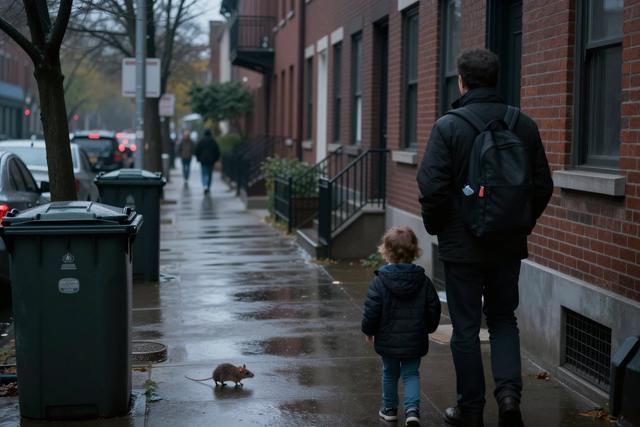
A resident of Montreal’s Parc‑Extension neighbourhood says rats have become a daily sight on the streets, a pattern that mirrors a citywide rise in rodent complaints since the COVID‑19 pandemic began. The resident, who lives with a young daughter, noted that both of them have repeatedly encountered the rodents while walking in the area.
The resident contacted a local exterminator to address the problem, describing the frequency of the sightings as unusual compared to previous years. The exterminator confirmed that the volume of service calls for rat control across Montreal has increased noticeably since 2020, and that the situation in Parc‑Extension reflects a broader trend throughout the city.
City officials have reported that pest‑control requests involving rats have climbed steadily over the past several years, with the pandemic period marking a significant uptick. While exact figures were not provided, the trend is evident in the growing number of calls to municipal rodent‑control services and the heightened activity of private exterminators.
Residents of Parc‑Extension have expressed concern about the potential health risks associated with the presence of rats, especially in densely populated urban settings. The local community has begun to observe the animals more closely, noting their activity on sidewalks and near residential buildings.
The situation underscores the challenges faced by Montreal’s public health and sanitation departments as they work to manage rodent populations that have expanded in the post‑pandemic environment. Authorities continue to monitor complaints and coordinate with private pest‑control providers to mitigate the issue.
For now, the resident remains vigilant, watching the streets with his daughter and awaiting further action from both the exterminator and municipal services. The ongoing reports from Parc‑Extension add to the mounting evidence that Montreal’s rat problem is a citywide concern that requires coordinated response.
The rise in daily rat sightings in Parc‑Extension serves as a reminder of the lasting impact of the pandemic on urban pest dynamics, prompting both residents and officials to remain alert to the evolving situation.