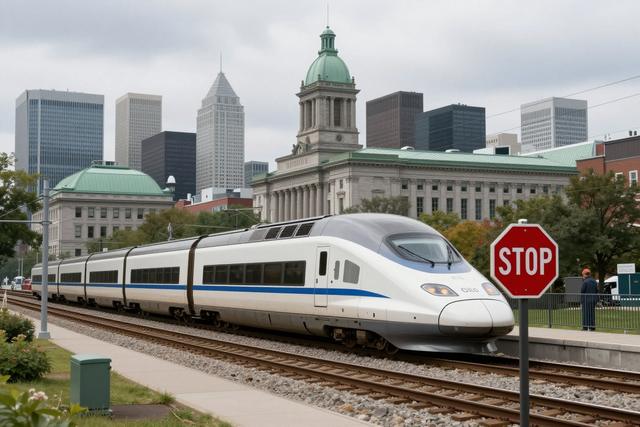
The Parti Québécois announced on June 10, 2026 that it intends to pull Quebec out of the high‑speed rail (TGV) initiative, arguing the scheme’s price tag outweighs its projected advantages. Party officials said the decision reflects a reassessment of the project's financial viability for the province.
Alto, a representative of the Parti Québécois, explained that the party believes the cost of the TGV would be prohibitive relative to the benefits it could deliver to Quebecers. The move comes as both federal and provincial authorities continue to study the feasibility and funding model for the high‑speed rail line, which has been under discussion for several years.
The TGV project, originally promoted as a way to improve intercity connectivity and stimulate economic growth, has faced scrutiny over its budgetary demands. While supporters have highlighted potential reductions in travel time and environmental gains, critics within the Parti Québécois contend that the expense cannot be justified given the expected return on investment.
The announcement adds a new dimension to the ongoing debate about large‑scale infrastructure in Quebec. Provincial leaders will now need to consider alternative transportation strategies or renegotiate the terms of any future collaboration with the federal government. The Parti Québécois has not detailed a specific timeline for the withdrawal, but indicated that its stance will be presented in forthcoming discussions with other stakeholders.
As the evaluation of the TGV’s feasibility proceeds, the province’s transportation agenda may shift toward projects deemed more cost‑effective. The Parti Québécois’ withdrawal request underscores the growing tension between ambitious infrastructure ambitions and fiscal prudence in Quebec’s public policy landscape.