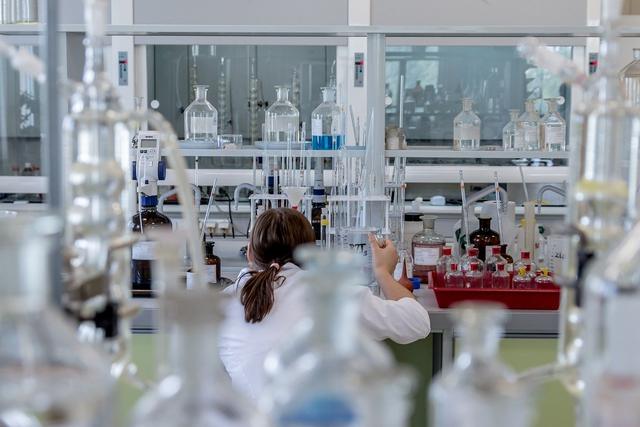
A research laboratory at Polytechnique Montréal has been tasked with directing the country’s efforts to prepare for future pandemics. The lab’s mandate, now six years old, places it at the centre of Canada’s strategy to shore up national defenses after the COVID-19 crisis exposed significant gaps in the nation’s response capabilities.
The laboratory, situated on the campus of Polytechnique Montréal in Quebec, is coordinating research and development projects aimed at improving detection, containment and treatment of emerging infectious diseases. By focusing on a comprehensive approach that spans vaccine design, diagnostic tools and rapid response protocols, the centre seeks to create a more resilient public health infrastructure across the country.
The COVID-19 pandemic, which began in early 2020, highlighted weaknesses in Canada’s ability to quickly identify and manage novel pathogens. Those shortcomings prompted federal and provincial authorities to invest in new capacities, and the Polytechnique Montréal laboratory emerged as a key component of that investment. Its six-year program is intended to translate scientific advances into practical measures that can be deployed when the next outbreak occurs.
While the lab’s work is still in progress, its role in uniting academic expertise with government priorities is seen as a crucial step toward closing the preparedness gap. The initiative aligns with broader national efforts to build a coordinated response network, ensuring that research outcomes can be rapidly integrated into public health policy and emergency planning.
As the country looks ahead, the laboratory’s ongoing projects are expected to contribute to a more robust pandemic response framework, reducing the time between pathogen emergence and effective intervention. The emphasis on research and development reflects a strategic shift toward proactive, science‑driven readiness, aiming to protect Canadians from the health and economic impacts of future pandemics.