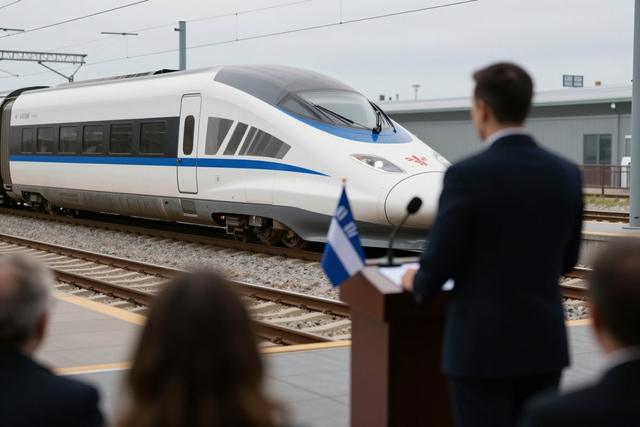
The Parti Québécois announced on June 10 that it intends to withdraw Quebec from the province’s high‑speed rail (TGV) project, arguing that the cost of the initiative exceeds the benefits it is expected to deliver.
The party’s statement, delivered by party representative Alto, said the TGV plan – a proposed network designed to link major Quebec cities with fast train service – has become a point of contention because of its escalating budget. PQ officials said the financial demands of the project are not justified by the projected advantages for the province.
According to the announcement, the party will pursue measures to remove Quebec from any further commitments to the TGV scheme. The move follows months of debate over the project's financing, with critics highlighting the strain on public resources.
The high‑speed rail proposal has been promoted as a way to improve inter‑city connectivity across Quebec, but the PQ’s latest position underscores growing concerns about the affordability of such infrastructure. Party officials indicated that their priority is to ensure that public funds are allocated to initiatives that provide clear and proportional returns.
The decision to seek withdrawal comes as the provincial government continues to evaluate the overall feasibility of the TGV network. While supporters of the project maintain that it would modernize transportation and stimulate economic activity, the Parti Québécois now seeks to halt further involvement, citing the current cost‑benefit assessment.
The announcement adds a new dimension to the ongoing discussion about large‑scale transportation projects in Quebec, with the PQ emphasizing fiscal responsibility as a central consideration in its policy agenda.