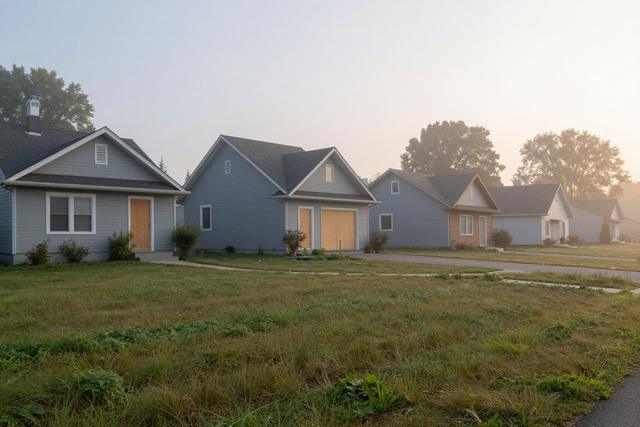
Quebec is nearing a count of 100,000 vacant housing units as of June 30, 2026, according to provincial data. The figure represents a sizable portion of the province’s overall housing stock and is comparable in size to the total number of households in the city of Sherbrooke.
The tally of empty dwellings highlights the extent of unused residential capacity across the province. While the exact distribution of these vacant units varies by region, the aggregate number approaches a threshold that matches the entire household count of a mid‑size Quebec city, underscoring the scale of the situation.
Officials have not released a breakdown of the types of vacant properties, such as single‑family homes, apartments, or seasonal residences. The data also does not specify the reasons behind the vacancies, whether they stem from market conditions, ownership patterns, or other factors. Nonetheless, the proximity of the vacancy count to the Sherbrooke household total provides a tangible reference point for understanding the magnitude of the issue.
The provincial housing inventory includes both occupied and unoccupied units, with the latter now approaching the 100,000 mark. This development arrives amid ongoing discussions about housing availability, affordability, and population growth within Quebec. The presence of a large number of empty homes may influence future housing policy considerations, though no specific measures have been announced.
As the province continues to monitor its housing stock, the near‑100,000 vacancy figure will likely remain a focal point for analysts and policymakers assessing the balance between supply and demand in Quebec’s residential market.