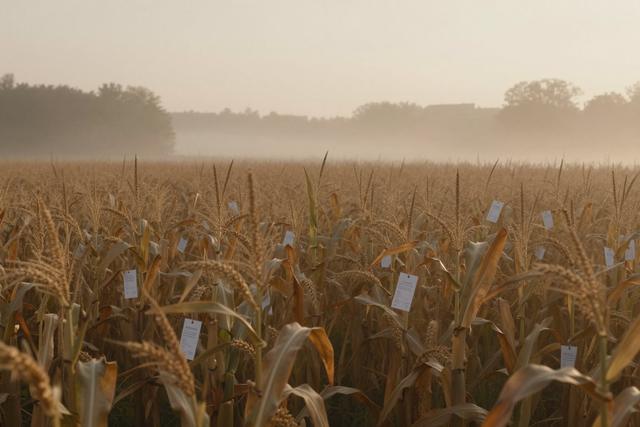
Corn prices in Quebec fell to record lows during the week of Aug 6‑12, 2026, as a combination of ideal weather conditions and a slowdown in U.S. demand pushed market values down.
The drop placed Quebec corn at the lowest price level observed in recent market history, according to local trade reports. Sellers reported that the price per bushel was markedly below previous weekly averages.
Meteorological data for the province showed a series of favorable conditions throughout the growing season, including ample rainfall and moderate temperatures. Those conditions have resulted in larger harvests and a surplus of corn ready for sale.
At the same time, demand from the United States weakened. Export orders and processing contracts that normally absorb a portion of Quebec’s corn output have declined, reducing the overall appetite for the grain across the continent.
The situation mirrors a broader trend in North America, where corn markets have been experiencing downward pressure. Analysts attribute the regional decline to the same set of factors: weather‑driven abundance and a contraction in American consumption and export requirements.
Farmers in Quebec are now facing a market where revenue per tonne is considerably reduced. Grain handlers and distributors have indicated that they are adjusting purchasing strategies to align with the lower price environment.
Market observers note that the current price trajectory could influence planting decisions for the next season, as producers weigh the risk of oversupply against the potential for price recovery.
The lower corn price also affects related sectors such as livestock feed and ethanol production, which rely on corn as a key input. Reduced feed costs may lower operating expenses for farms, while ethanol plants could see tighter margins.