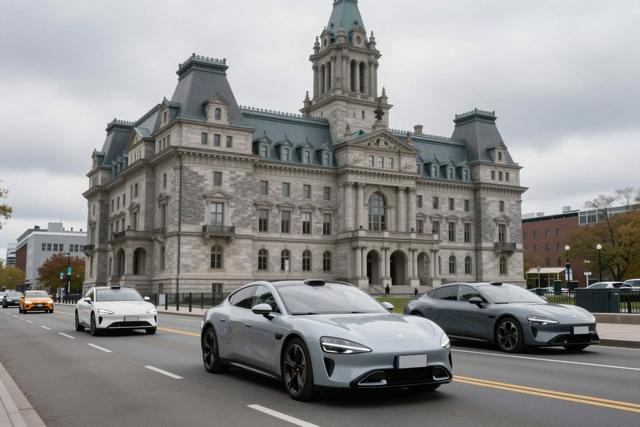
Quebec announced on June 11, 2026 that it is revising its electric‑vehicle (EV) sales target, setting the new goal at 80 percent of all new vehicle sales by the year 2035. The adjustment lowers the province’s earlier ambition, which had called for a higher share of EVs within the same timeframe.
The decision was presented by the provincial government as a recalibration of its climate and transportation strategy. While the exact figure of the previous target was not disclosed, officials indicated that the earlier aim was more aggressive than the current 80‑percent benchmark. The revision aligns the target with a reassessment of market conditions and the feasibility of achieving such a share of electric vehicles across Quebec’s automotive market.
Quebec has been a leader among Canadian provinces in promoting clean transportation, offering incentives and investing in charging infrastructure to accelerate the adoption of electric cars, trucks and buses. The updated goal still positions the province among the most ambitious jurisdictions in North America, even as it acknowledges the challenges of reaching a full transition within the next decade.
Stakeholders in the automotive sector, including manufacturers, dealers and consumer groups, have been monitoring the province’s policy direction closely. The revised target is expected to influence future planning for vehicle inventory, supply chain arrangements and the rollout of additional charging stations throughout the province’s urban and rural areas.
The government indicated that the new 80‑percent objective will be integrated into upcoming policy documents and regulatory frameworks, ensuring that the province’s climate commitments remain on track while providing a realistic pathway for industry participants. The announcement marks a notable shift in Quebec’s approach to meeting its long‑term emissions reduction goals through electrified transport.
The revised target will be reviewed periodically, with the government pledging to adjust its strategies as technology, consumer preferences and market dynamics evolve.