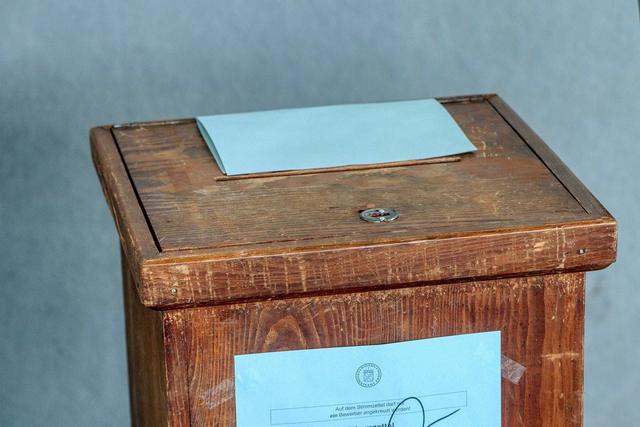
Quebec will hold its provincial election on Oct. 5, 2026, as the province’s long‑standing sovereignty debate is being framed by the prospect of a U.S. trade war. The timing of the vote coincides with heightened concerns in Quebec about how an American‑Canada trade conflict could affect the province’s economy and its relationship with the rest of Canada.
Candidates across the political spectrum are incorporating the potential trade dispute into their platforms. Pro‑sovereignty parties are emphasizing the need for greater autonomy to protect Quebec’s economic interests, while federalist parties are warning that independence could expose the province to tariff risks and supply‑chain disruptions tied to a U.S. trade confrontation.
The election will determine which party forms the next provincial government and therefore how Quebec will navigate both the sovereignty question and its trade policy. Economic considerations are taking a more prominent role than in previous cycles, as businesses and voters weigh the possible impact of new tariffs or trade barriers on industries that rely heavily on the U.S. market.
Charles Rousseau, representing the United States, is monitoring the situation as the election approaches. His presence underscores the importance Washington places on the outcome, given the potential ramifications for cross‑border trade.
Analysts note that the combination of a sovereignty referendum atmosphere and external trade pressures creates a complex decision‑making environment for Quebec voters. The result of the Oct. 5 election will shape the province’s political direction and its strategy for dealing with any future U.S. trade measures.
The vote will be closely watched by both Canadian and American officials, as the interplay between domestic political aspirations and international economic relations could set precedents for other regions facing similar dilemmas.