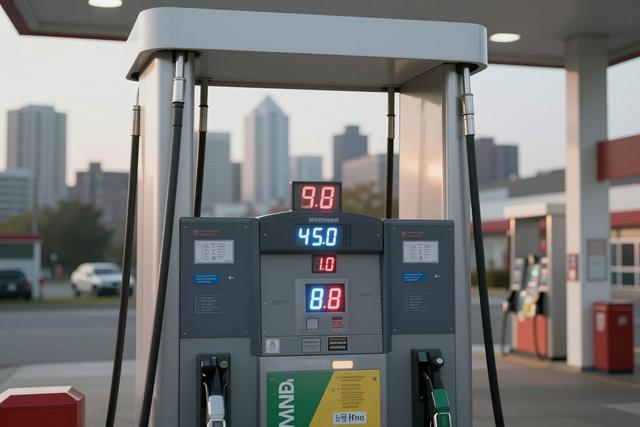
Gasoline prices in Montreal have risen to roughly $2 per litre, according to Canadian fuel experts, as ongoing tensions in the Middle East and other regions push costs higher.
The price climb began in February 2026, when the average price for a litre of gasoline in Quebec was about $1.50. Since then, the province has seen a series of price adjustments, each moving the market upward. By July 2026, the cost of fuel in the city approached the $2 per litre mark, representing a near‑33 percent increase over a five‑month period.
Experts attribute the sustained upward pressure primarily to geopolitical instability abroad. Disruptions in oil‑producing regions, particularly the heightened conflict in the Middle East, have tightened global supply chains and raised wholesale oil prices. Those higher costs are reflected in the retail price that consumers pay at the pump.
The pattern of multiple increases mirrors broader trends seen across Canada, where regional markets are responding to the same external pressures. While the exact timing of each price change varies by locality, the overall trajectory in Quebec aligns with the national response to the same set of global factors.
Consumers in Montreal and the rest of Quebec have felt the impact directly, with the cost of everyday travel and goods that rely on fuel becoming more expensive. The rise also affects businesses that depend on transportation, potentially influencing pricing in other sectors.
Canadian fuel analysts note that, unless the geopolitical situation stabilises, further increases cannot be ruled out. They advise monitoring both international developments and domestic policy responses as the market continues to adjust.
The current price level, close to $2 per litre, marks the highest point since the series of hikes began in February, underscoring the extent to which external conflicts can shape local fuel markets.