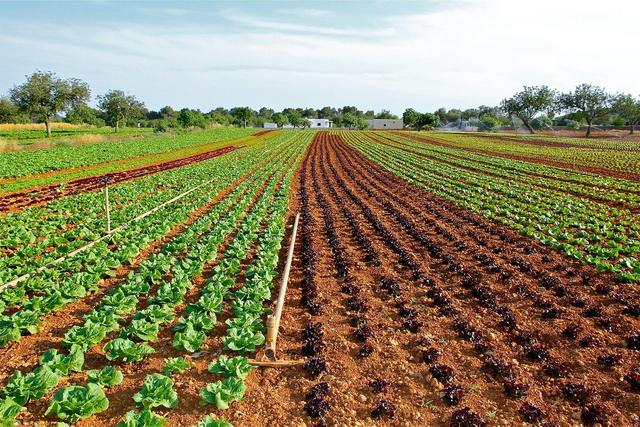
Quebec lettuce growers are operating at a loss in 2026 after a cyclosporiasis outbreak in the United States caused American buyers to stop purchasing imported lettuce. The reduction in demand directly affects the province’s agricultural sector, which normally ships roughly half of its lettuce harvest to the neighboring market.
In a typical year, about 50% of Quebec’s lettuce production is exported to the United States, providing a major source of revenue for local farms. The current health scare has interrupted that flow, leaving growers without the expected sales volume. With the U.S. market closed, producers are forced to absorb the cost of harvesting, packaging, and distribution without corresponding income.
The loss of export sales has pushed many farms into a negative cash flow situation. While the exact financial impact varies by operation, the collective effect is a noticeable decline in profitability across the province’s lettuce industry. Farmers report that domestic demand alone cannot compensate for the missing half of their usual market, and the sudden shortfall has led to reduced cash reserves and delayed investments in equipment and labor.
Industry observers note that the outbreak’s influence on consumer confidence in imported leafy greens is the primary driver of the sales stoppage. Health officials in the United States are monitoring the situation, but until the outbreak is contained and confidence returns, the export channel is likely to remain closed.
The province’s agricultural agencies are tracking the economic fallout and are expected to consider measures to support affected growers. In the meantime, Quebec lettuce farms continue to produce at regular levels, awaiting a resolution that would allow the resumption of cross‑border shipments.
The situation underscores the vulnerability of export‑dependent crops to health crises beyond their own borders, and it highlights the importance of diversified markets for agricultural stability.