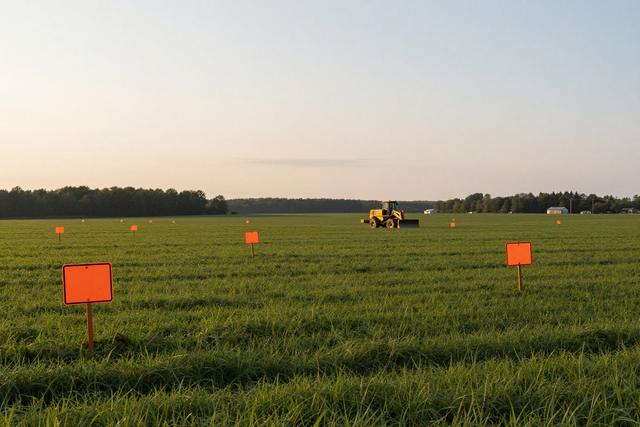
The Quebec government announced today that the province’s moratorium on expanding agricultural land has been lifted, and a new regulation governing land conversion will take effect in January 2027. The decision ends the freeze that previously barred the conversion of land for farming purposes, opening the way for new agricultural development across the province.
The moratorium, introduced several years ago, was intended to protect existing farmland and curb the loss of agricultural space to urban and industrial projects. By maintaining the freeze, the government sought to preserve the province’s food‑production capacity and limit the fragmentation of farm holdings. Over time, stakeholders raised concerns that the restriction limited the ability of farmers to expand operations or adapt to changing market demands.
With the moratorium now removed, the upcoming regulation will outline the conditions under which land may be re‑designated for agriculture. The rule, scheduled to be implemented at the start of 2027, will specify the application process, eligibility criteria, and any environmental safeguards that must be observed. Officials indicated that the regulatory framework aims to balance the need for additional farmable land with the province’s broader land‑use planning objectives.
The change is expected to affect landowners, agricultural producers, and municipalities throughout Quebec. By allowing the conversion of previously protected parcels, the province hopes to support the growth of its agricultural sector and enhance food security. At the same time, the new regulation will provide a structured approach to ensure that any expansion aligns with environmental standards and regional development plans.
The announcement marks a shift in Quebec’s land‑use policy, moving from a period of stringent protection toward a more flexible model that encourages agricultural expansion under regulated conditions. Stakeholders will have several months to review the forthcoming rules before they become enforceable in January 2027.