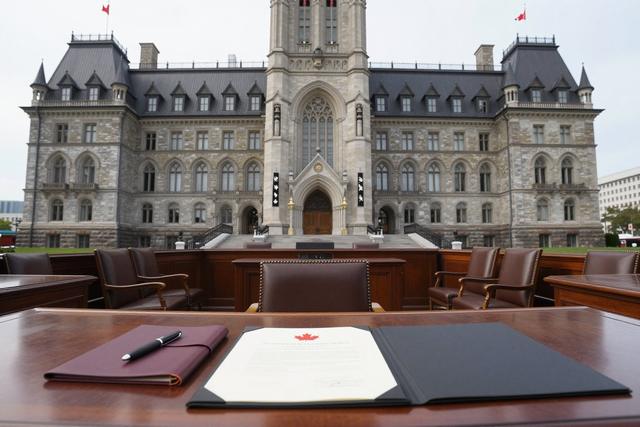
Quebec Conservative MP Mark Carney announced his resignation from the Conservative caucus on July 7, 2026 and confirmed that he will be moving to the Senate following an appointment by Prime Minister Mark Carney. The decision marks a swift transition from the House of Commons to the upper chamber for the Quebec representative.
The Prime Minister’s move to place Carney in the Senate is part of his first round of Senate appointments, which also includes a senior adviser. Both selections are intended to bring back partisan representation to a Senate that has operated for roughly ten years with limited party affiliation. By appointing a sitting Conservative MP, the government aims to restore a more traditional party balance within the legislative body.
Carney’s resignation from the Conservative caucus came shortly after the announcement of the new appointments. While he will no longer sit with the party in the Commons, his upcoming Senate role will see him return to a partisan setting, aligning with the Prime Minister’s stated goal of re‑introducing party voices to the upper house. The move follows a period during which the Senate functioned largely without formal party groups, a situation the Prime Minister has described as a departure from historic practice.
Political observers note that the inclusion of a senior adviser and a Conservative MP in the first batch of appointments signals a broader strategy to reshape the composition of the Senate. The appointments are expected to influence how legislation is reviewed and debated, potentially altering the dynamics that have characterized the chamber over the past decade.
The transition for Mark Carney from elected MP to appointed senator will be completed in the coming weeks, pending the formalities of the appointment process. His shift underscores the current administration’s commitment to restoring partisan representation at the federal level.