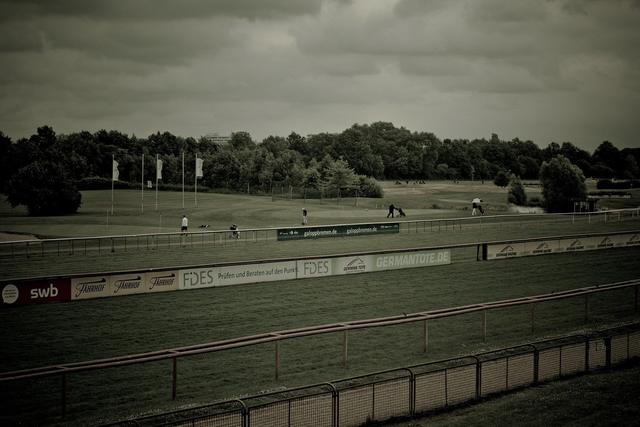
Elected officials in Quebec voted this week to designate a portion of the Sanair racetrack grounds in Saint‑Pie as a land reserve for a possible new high school. The decision, taken during the week of August 8, 2026, creates a formal framework for the site to be repurposed for educational use.
The motion received unanimous support from the council members present, who agreed that securing the land now would simplify future planning for a school that could serve the growing population of the surrounding municipalities. By establishing the reserve, the municipality can begin preliminary studies on infrastructure, access routes and environmental considerations without the need for a separate land‑acquisition process later.
Sanair, a 57‑year‑old racetrack that has been a fixture of the Saint‑Pie landscape since its opening, is now being examined for a new role beyond motorsport. While the track continues to host events, the reserve status signals a shift toward a longer‑term vision that prioritises education. Officials highlighted that the location offers ample space, existing road connections and proximity to residential areas, making it a practical choice for a secondary school.
The proposal follows broader provincial discussions about modernising school facilities and addressing capacity gaps in rural and semi‑urban regions. By earmarking the racetrack site early, the municipality aims to align with provincial timelines for funding and construction of new schools. No definitive timetable has been set for the school’s construction, and the reserve does not guarantee that a high school will be built, but it does lay the groundwork for future development.
Community members have expressed interest in the potential transformation, noting the historic significance of the racetrack and the opportunity to give the land a new purpose. The council plans to hold public consultations later in the year to gather input on design, amenities and the integration of the school into the existing community fabric.
If the reserve proceeds to the next stage, the Sanair site could become a landmark example of adaptive reuse, turning a decades‑old sporting venue into a hub for learning and community activity.