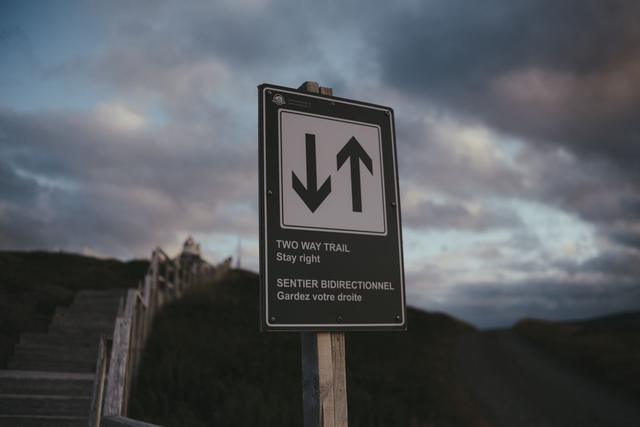
On Sunday, August 30, 2026, the organization Réseau plein air Québec announced a call for a comprehensive legal overhaul aimed at reducing civil liability risks associated with outdoor trails that traverse privately owned land across the province.
The group’s proposal seeks to limit the exposure of both trail users and the entities that manage these pathways to potential lawsuits. By adjusting the legal framework, Réseau plein air Québec hopes to create a clearer liability shield that would protect individuals enjoying the trails as well as the organizations responsible for maintaining them.
The need for reform stems from the fact that a significant portion of Quebec’s recreational trail network is situated on land owned by private individuals or entities. This arrangement has generated ongoing concerns among trail operators, who fear that accidents or injuries occurring on these routes could result in costly civil actions. The current legal environment, according to the organization, does not provide sufficient certainty for those who develop and oversee the trails, potentially discouraging the expansion and upkeep of the network.
Réseau plein air Québec emphasizes that the proposed changes would not diminish the rights of private landowners but would instead establish a balanced approach that safeguards public access while addressing liability issues. The organization argues that clearer legal protections would encourage more robust development of outdoor infrastructure, benefiting both local communities and the province’s tourism sector.
While the group has not detailed specific legislative language, its advocacy highlights a broader conversation about how Quebec manages the intersection of public recreation and private property rights. The call for reform arrives as outdoor activities continue to grow in popularity, placing additional pressure on existing trails and prompting stakeholders to examine the sustainability of current arrangements.
The organization plans to engage with policymakers, legal experts, and landowners to refine its proposal and pursue the necessary amendments to provincial law.