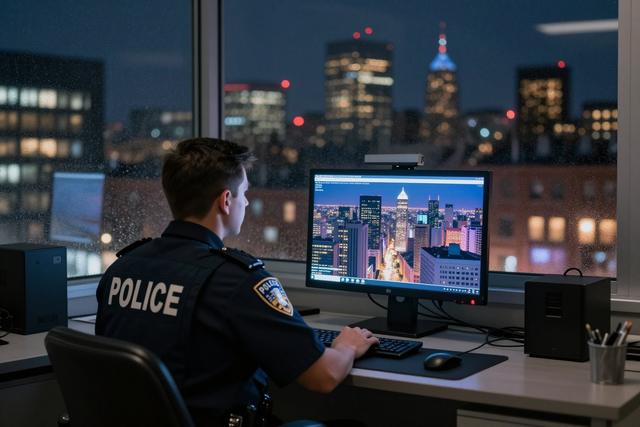
On Friday, Quebec police services announced that they are posting an expanding array of AI-generated pictures on platforms such as Facebook, Twitter, Instagram. This marks a noticeable increase in the use of synthetic imagery by law‑enforcement communications.
The shift follows a broader trend in which AI‑created pictures have become prevalent across social media. Algorithms that produce realistic images from text prompts have made it easier for users to share visual content that does not originate from a camera.
Police departments in the province have begun to incorporate these images into public alerts, missing‑person notices, and community‑outreach posts. By generating visual representations of suspects or crime scenes, officers aim to convey information quickly and attract attention in crowded feeds.
Officials say the practice helps to fill gaps when photographic evidence is unavailable or when privacy concerns limit the release of actual footage. The synthetic images can be tailored to depict a suspect’s general appearance without revealing identifying details that could compromise investigations.
Critics have warned that the rise of AI‑generated content may blur the line between factual reporting and fabricated visuals. In response, the police have indicated that each AI‑produced picture will be labeled as such and accompanied by text clarifying its purpose.
The increase in police‑generated AI imagery coincides with a surge in similar content from private users, influencers, and commercial accounts. Analysts note that the overall volume of AI‑created pictures on social platforms has risen sharply over the past year, prompting discussions about verification standards and platform policies.
As the practice becomes more common, Quebec authorities plan to monitor public reaction and assess the effectiveness of AI visuals in achieving communication goals. The ongoing adoption reflects both the capabilities of modern generative tools and the desire of law‑enforcement agencies to adapt their outreach to digital audiences.