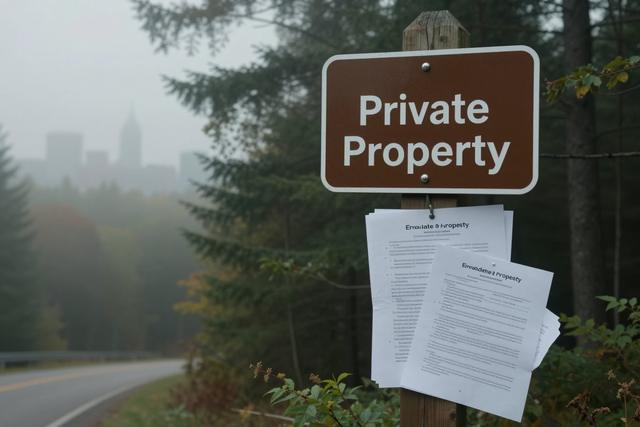
Réseau plein air Québec, a provincial organization that coordinates outdoor trail networks, formally requested a comprehensive legal overhaul on Sunday, August 30, 2026. The group argues that current civil liability rules expose trail operators to significant risk when trails cross private property. By limiting the potential for lawsuits, the organization hopes to create a more stable environment for developing and maintaining recreational pathways.
The request targets the province’s civil liability framework, specifically the provisions that can hold trail managers responsible for incidents occurring on sections of trail that traverse land owned by private individuals. Réseau plein air Québec contends that the existing legal landscape creates uncertainty for municipalities, non‑profit groups and other entities that build and oversee these routes. The organization believes that clearer limits on liability would encourage continued investment in trail infrastructure.
Outdoor trail networks in Quebec frequently incorporate sections of privately owned land, a practice that has long generated questions about who bears responsibility for accidents or injuries. When a user is harmed on a portion of a trail that lies on private property, the distinction between the landowner’s and the trail operator’s obligations can become blurred. This ambiguity, according to Réseau plein air Québec, has led to a cautious approach by some potential trail developers, who fear costly legal challenges.
The group’s appeal to the provincial government comes amid broader discussions about outdoor recreation and public access to natural spaces. By proposing a legal reform that narrows civil liability exposure, Réseau plein air Québec aims to reduce the likelihood of civil lawsuits targeting trail operators. The organization’s statement emphasizes that the change would not diminish safety standards, but would instead clarify the legal responsibilities of all parties involved.
The request is now under review by Quebec’s legislative bodies, which will consider the balance between protecting private landowners’ rights and facilitating the growth of public trail networks across the province.