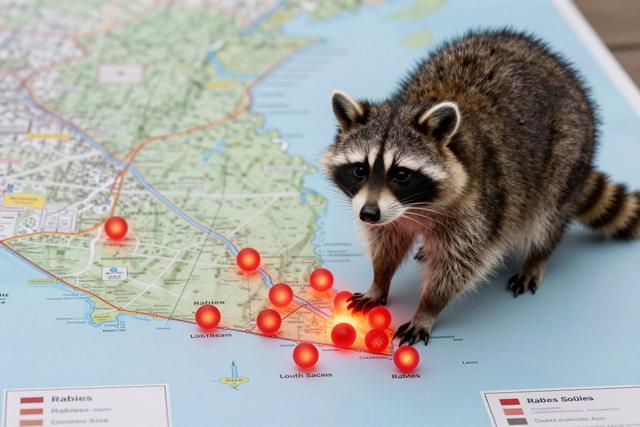
Quebec public health officials reported on June 19 that rabies cases among raccoons are on the rise in the regions south and east of Montreal. The announcement highlighted a continued spread of the viral disease in wildlife populations that border the metropolitan area.
The officials emphasized that rabies, a virus capable of infecting both animals and humans, remains a public health concern. Because the disease can be transmitted through bites or scratches, health agencies maintain close surveillance of any outbreak that could pose a risk to people living or working near affected wildlife habitats.
Monitoring efforts in the affected zones have been intensified, with teams tracking raccoon activity and testing specimens for the virus. The focus on the southern and eastern corridors reflects recent observations of increased animal movement and reported cases in those directions.
While the current information does not include specific numbers of infected animals, the trend of rising cases has prompted officials to issue a warning to residents and visitors. People who encounter raccoons or other wildlife are advised to avoid direct contact and to seek medical advice promptly if a bite or scratch occurs.
Health authorities continue to collaborate with wildlife experts to assess the scope of the outbreak and to determine appropriate response measures. The ongoing surveillance aims to contain the spread and to protect both animal and human health in the region.
Residents in the identified areas are encouraged to stay informed through official channels and to report any unusual wildlife behavior to the relevant agencies. The situation underscores the importance of vigilance during the active season for rabies transmission.