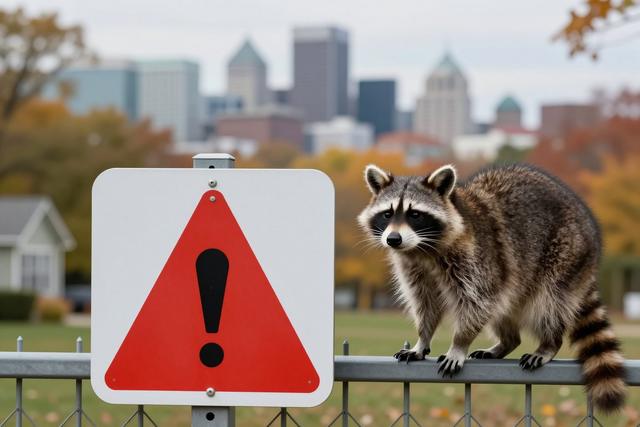
Quebec public health officials announced on June 19, 2026 that rabies infections in raccoons are increasing in the regions situated to the south and east of Montreal. The notice marks a shift in the geographic pattern of the disease, prompting authorities to highlight the emerging risk in communities that border these wildlife habitats.
The spread has been observed in areas that lie outside the immediate urban perimeter of Montreal, extending into rural and semi‑urban zones where raccoon populations are common. While the exact number of cases has not been disclosed, officials confirmed that the trend represents a notable rise compared with previous monitoring periods.
Rabies is a fatal viral disease that can be passed from infected animals to humans and domestic pets through bites or scratches. The virus targets the nervous system, leading to severe neurological symptoms and, if untreated, death. Because raccoons are among the wildlife species capable of carrying the virus, increased activity among infected raccoons raises the potential for accidental exposure among residents and their animals.
Health authorities are keeping close watch on the situation and will issue further guidance as more information becomes available. In the meantime, officials remind the public to avoid handling wild raccoons and to seek medical evaluation promptly if a bite or scratch occurs. Ongoing surveillance aims to contain the spread and protect both human and animal health in the affected regions.