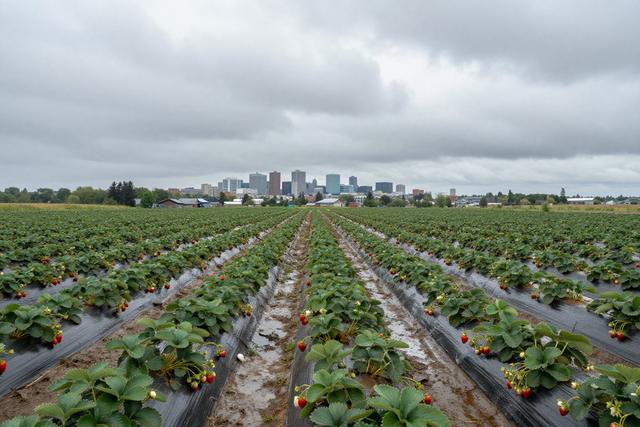
In June 2026, a farm located in an off‑island suburb of Montreal reported that the unusually wet weather this season is producing strawberries with higher sugar levels while simultaneously boosting overall yields, a combination that could translate into lower retail prices for consumers.
The farm’s observations align with assessments from regional food experts, who note that abundant rainfall promotes the development of natural sugars in the fruit. Moist soil conditions allow the plants to allocate more energy to fruit maturation rather than stress responses, resulting in berries that taste sweeter than those harvested in drier years.
Higher yields are also a direct outcome of the same weather pattern. The excess moisture has encouraged vigorous plant growth and a larger number of ripe strawberries per hectare. When production volumes rise, market supply expands, putting downward pressure on the price that wholesalers and retailers charge for the fruit.
Quebec’s strawberry season this year has been marked by a series of rain events that exceed typical June averages. While the precipitation has been beneficial for sugar content and harvest size, growers remain attentive to the balance needed to avoid issues such as fungal disease, which can arise under prolonged damp conditions. For now, the balance appears favorable, and consumers can expect both tastier berries and the possibility of reduced prices at grocery stores throughout the province.
The situation illustrates how short‑term weather variations can influence both the quality and economics of a seasonal crop. Should the rain continue at current levels, the trend toward sweeter, more affordable strawberries is likely to persist for the remainder of the harvest period.