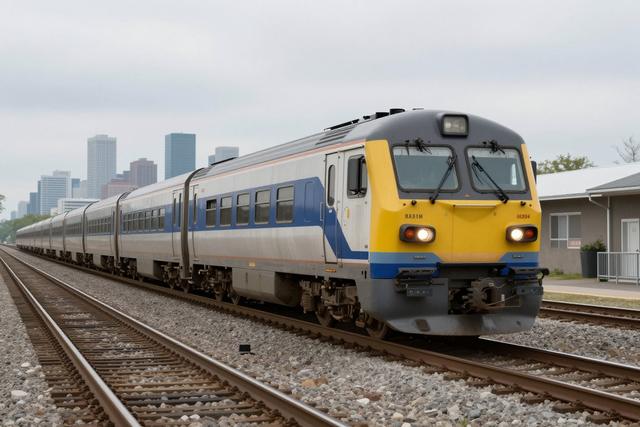
A track problem forced a service interruption on Montreal's Réseau express métropolitain (REM) line between Canora and Côte-de-Liesse stations during the morning rush hour on July 2, 2026. The issue halted train movements on the segment, leaving the line inoperable for commuters travelling between the two points.
The disruption was reported early in the peak commuting period, when the REM typically carries a large volume of passengers across the city. Trains that would normally traverse the stretch were stopped, and riders were advised to seek alternative transportation. REM staff began assessing the track condition as soon as the problem was identified.
The REM network serves as Montreal's rapid transit system, linking downtown with suburban neighborhoods and key airport facilities. It is a central component of the city's public‑transport infrastructure, offering high‑frequency service and connecting to other transit modes. The affected segment lies on a line that is heavily used by daily commuters, students, and travelers heading to the airport.
Because the outage occurred during the city's busiest commuting window, passengers experienced delays and were required to adjust their travel plans. The interruption highlighted the reliance of many Montrealers on the REM for timely access to work, education, and services. Transit authorities monitored the situation closely and provided updates to riders through station announcements and digital channels.
REM officials confirmed that the cause of the service halt was a problem with the rail track itself. Engineers were dispatched to the site to conduct repairs and restore safe operation. While no specific timeline for the resumption of service was given, officials indicated that trains would return to normal operation once the track issue was fully resolved.
The incident underscores the importance of maintaining the REM's infrastructure, especially during periods of high demand, to ensure reliable service for the city's commuters.