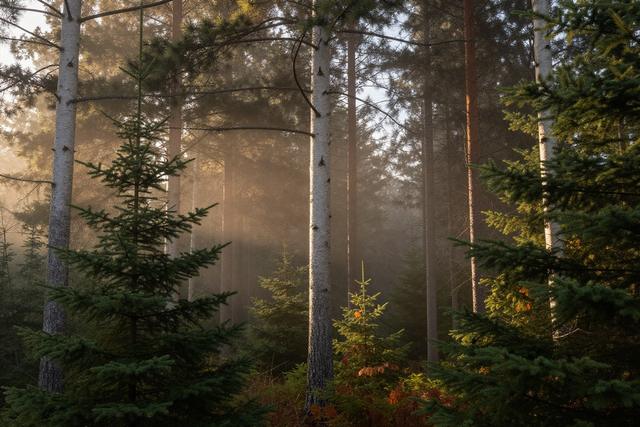
Researchers have launched a field investigation in the Lanaudière region of Quebec to locate the province’s oldest white pine and determine its precise age. The effort, announced early on Saturday, focuses on identifying the tree’s exact position and establishing how many centuries it has survived.
The project brings together botanists and forest scientists who are surveying likely habitats where ancient white pines may still stand. Their work involves mapping historic forest stands, examining old growth pockets, and using non‑invasive techniques to assess candidate trees without causing damage. By pinpointing the oldest specimen, the team hopes to add a benchmark to Quebec’s natural heritage records.
White pines in the province are known for their longevity, often persisting for several hundred years. This biological resilience makes the search for the oldest individual both a scientific and cultural undertaking. Determining the tree’s age will provide insight into the region’s ecological history, including patterns of forest regeneration, climate fluctuations, and past land use.
The investigation is taking place amid a broader interest in preserving Quebec’s forest ecosystems. While no specific tree has yet been confirmed as the oldest, researchers are methodically narrowing down potential sites. The work includes collaboration with local landowners and conservation groups to gain access to private and public lands where ancient pines might reside.
If successful, the identification of the oldest white pine will offer a living link to centuries of provincial history and may become a focal point for educational and preservation initiatives. The team plans to publish their findings, including the tree’s exact age, once the data are verified through accepted dendrochronological methods.
The search underscores the value placed on Quebec’s natural monuments and the ongoing commitment to understanding and safeguarding the province’s forest legacy.