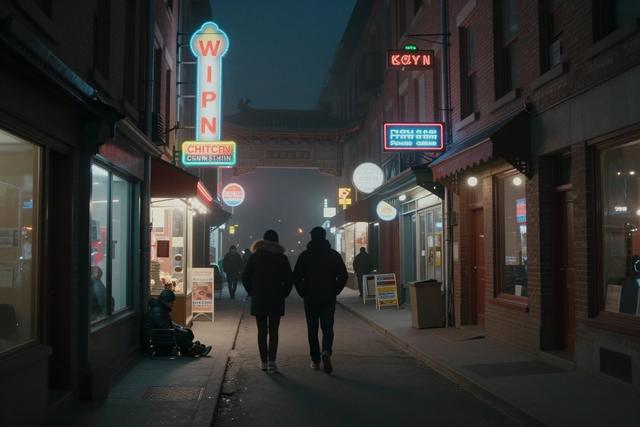
On August 11, 2026, property managers, residents and local businesses in Montreal’s historic Chinatown reported a sharp increase in safety worries. They said that a growing number of people in visible distress are gathering around homes and shops, creating a perception of heightened risk for customers and tenants alike. The City of Montreal has said it is coordinating a response together with community groups to address the situation.
According to the accounts from property managers, the presence of individuals experiencing homelessness and apparent drug use has become more frequent in the streets surrounding the neighbourhood’s commercial core. Residents described feeling uneasy as the number of people loitering near doorways and storefronts has risen, and they expressed concerns about potential incidents that could affect the safety of shoppers and neighbourhood occupants.
City officials confirmed that they are working with local community organisations to develop a plan aimed at mitigating the perceived threats. While specific measures have not been detailed, the collaboration is intended to combine municipal resources with the insight of groups that regularly engage with the affected population, seeking a coordinated approach to public safety and social support.
Chinatown, one of Montreal’s oldest cultural districts, has historically been a vibrant hub for commerce and community life. In recent months, however, the area has seen a noticeable surge in people experiencing homelessness and drug‑related challenges. This shift has prompted local stakeholders to call for prompt action, emphasizing the need to preserve the neighbourhood’s safety and vitality.
The combined concerns of property managers, residents and business owners underscore a broader tension between social issues and commercial stability. As the city moves forward with its coordinated response, community groups remain involved in discussions, hoping to balance immediate safety needs with longer‑term solutions for those in distress.
The situation continues to evolve, and officials say they will monitor developments closely while maintaining open lines of communication with neighbourhood representatives.