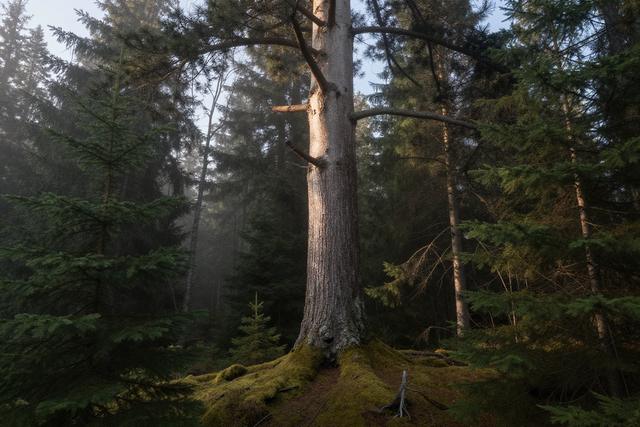
Researchers are turning their attention to the Lanaudière region as they seek to determine whether Quebec's oldest white pine stands within its forested landscape. The investigation forms part of a broader provincial effort to locate the most ancient surviving specimen of the species, which is known for its capacity to endure for several centuries. By concentrating field work in Lanaudière, scientists hope to narrow the search area and increase the likelihood of confirming the tree's age and location.
The initiative reflects growing interest in preserving Quebec's natural heritage, particularly the long‑lived white pine that has played a symbolic role in the province's ecological and cultural history. Experts plan to conduct systematic surveys, employing methods such as core sampling and visual assessment to estimate the age of candidate trees. While the exact criteria for confirming the oldest individual have not been disclosed, the focus on trees that have survived multiple generations underscores the significance of the project.
Identifying the oldest white pine could provide valuable data on the species' longevity, growth patterns, and resilience in the face of environmental change. It may also inform conservation strategies aimed at protecting ancient trees that serve as living archives of the region's forest dynamics. As the search progresses, the Lanaudière area remains a key focal point for the research team, whose work will continue to be guided by the overarching goal of documenting and safeguarding Quebec's venerable natural landmarks.