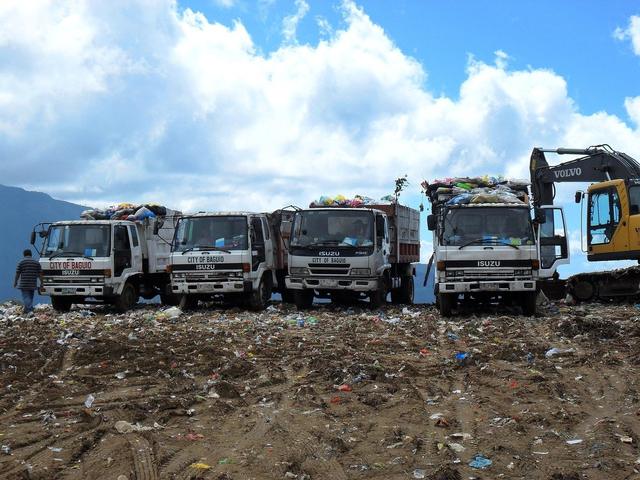
On August 28, 2026, Shein opened a temporary retail space in Montreal, Quebec. The launch was marked by a demonstration organized by the environmental group Équiterre, which positioned a garbage truck in front of the pop‑up to draw attention to the waste generated by disposable fashion.
The protest also involved Recyc‑Québec, a provincial recycling agency, emphasizing the growing volume of clothing ending up in landfills. Data from 2023 show that the amount of apparel discarded in Quebec’s waste stream has more than doubled over the past ten years, underscoring concerns about the environmental footprint of fast‑fashion brands.
By placing a visible waste container at the store’s entrance, the activists aimed to link Shein’s business model—characterized by low‑cost, high‑turnover garments—to the province’s mounting landfill challenge. The demonstration coincided with the pop‑up’s opening day, creating a direct visual contrast between the brand’s promotional displays and the truck loaded with discarded clothing.
Officials from the city did not intervene, and the pop‑up remained open for shoppers while the protest continued. The event highlights a broader debate in Quebec about how to manage the surge in textile waste, a topic that Recyc‑Québec has identified as a priority for its waste‑reduction programs. The protest adds to a series of actions by climate and environmental groups across Canada targeting fast‑fashion retailers and their contribution to landfill growth.
The choice of a garbage truck as a protest tool was intended to make the issue tangible for passersby. By displaying a vehicle typically associated with waste collection, the organizers sought to connect the fast‑fashion supply chain directly to the material that ends up in municipal landfills.
The protest reflects growing scrutiny of fast‑fashion practices in Quebec, where recent reports indicate that the volume of discarded clothing has surged dramatically. Environmental advocates argue that the rapid turnover of inexpensive garments encourages consumers to discard items after only a few uses, contributing to the rise in textile waste that the province’s recycling infrastructure struggles to process.