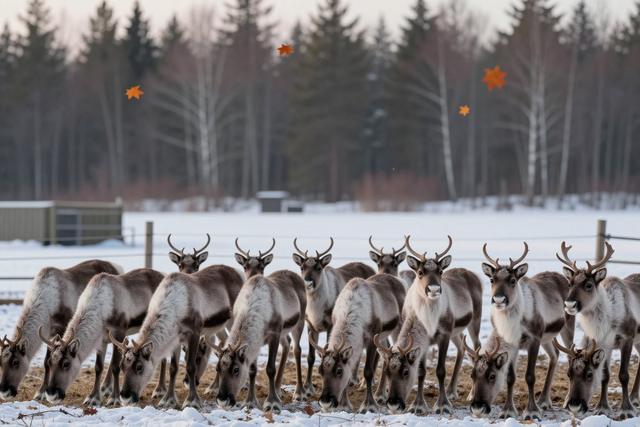
Sixteen caribou calves were born this year in Quebec's captive breeding programs, according to experts monitoring the province's conservation efforts. The births represent the latest addition to a herd that has been maintained in captivity while suitable wild habitat remains unrecovered.
The calves were delivered across the facilities that house the province's captive caribou populations. Experts note that the continued reliance on captivity reflects Quebec's ongoing challenge in restoring the natural environments required for wild caribou to thrive. The lack of restored habitat means that breeding in the wild remains limited, prompting the need to sustain animals in controlled settings.
Quebec has long kept captive herds as a safeguard against the decline of its native caribou. The recent births add to the numbers of animals that can potentially be reintroduced once habitat conditions improve. However, experts stress that the presence of these calves does not indicate a reversal of the broader habitat issue. The province has yet to achieve the ecological restoration needed to support self‑sustaining wild populations.
The captive breeding program is part of a larger conservation strategy that includes habitat assessment, land management, and collaboration with indigenous groups and wildlife agencies. While the birth of sixteen calves marks a measurable success within the program, it also underscores the continued gap between captive management and the ultimate goal of reestablishing viable wild herds.
Officials plan to continue monitoring the health and development of the newborns, ensuring that they receive the care necessary for survival. The long‑term objective remains the eventual release of healthy individuals back into restored ecosystems, contingent on the successful rehabilitation of caribou habitats throughout Quebec.