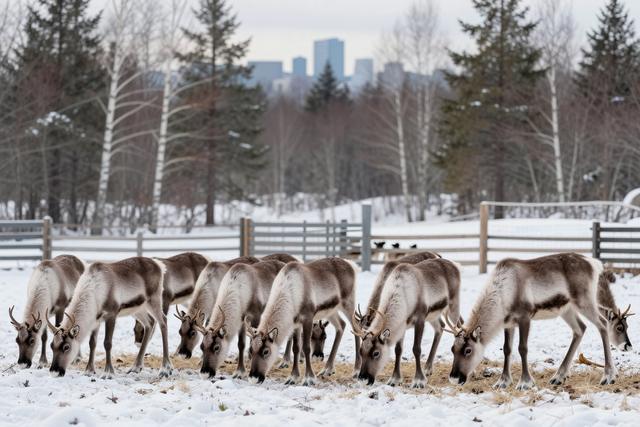
In May 2026 the Quebec government reported that sixteen caribou fawns were born within the province’s captive breeding program, raising the number of animals under human care. The newborns represent the latest addition to a managed herd that aims to safeguard the species.
The births occurred as part of Quebec’s ongoing effort to maintain a captive caribou population. The government oversees the program to ensure that a viable group of animals remains available for future reintroduction or research purposes. By adding sixteen new individuals, the herd gains both genetic diversity and a higher headcount, which are critical factors in long‑term conservation planning.
Officials highlighted that each fawn contributes to the overall health of the captive stock. The program’s primary objective is to support the broader conservation of caribou, a species that faces challenges in the wild due to habitat loss and climate pressures. While the fawns are currently being cared for in controlled environments, they are expected to play a role in future efforts to bolster wild populations.
The successful delivery of the sixteen fawns underscores the province’s commitment to proactive wildlife management. By continuing to invest in captive breeding, Quebec aims to preserve the genetic legacy of its native caribou and provide a safety net against further declines in the species across North America.