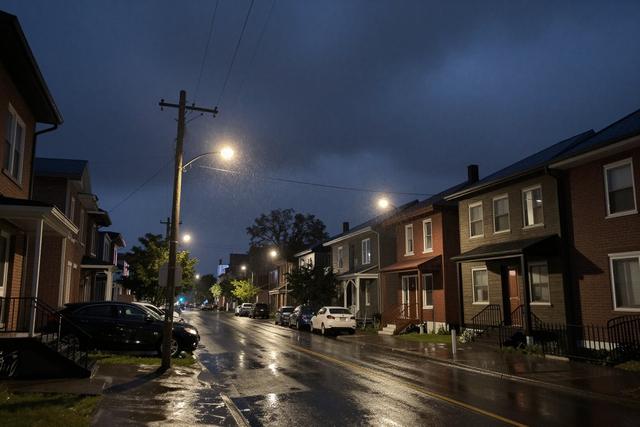
On June 17, a powerful storm moved across Greater Montreal, triggering widespread electricity outages that left roughly 50,000 households without power. The severe weather, marked by heavy rain and strong winds, caused damage to the electrical grid, prompting utility crews to begin emergency response operations throughout the region.
Residents reported loss of lighting, heating and refrigeration as the blackout spread across neighborhoods from the island of Montreal to surrounding suburbs. The outage affected both residential and commercial customers, interrupting daily activities and prompting local authorities to issue safety advisories regarding the use of generators and candles.
Utility companies mobilized repair teams and equipment to the most affected zones, prioritising restoration of service to critical facilities such as hospitals and schools. Crews worked through the night, addressing downed lines and damaged transformers, while monitoring the weather for further deterioration that could hamper recovery efforts.
Officials said the storm’s intensity was the primary factor behind the extensive failures, and they warned that full restoration could take several hours or longer depending on the extent of damage. The outage underscores the vulnerability of the region’s power infrastructure to extreme weather events, a concern that has grown as climate patterns shift.
The loss of electricity also disrupted public transit and traffic signals in several districts, leading to slower movement on major arteries. Emergency shelters were opened in community centres for those who required immediate assistance, and the police department increased patrols to ensure public safety in darkened streets.
The utility regulator announced that a review of the grid’s resilience will be undertaken, with potential investments in underground lines and automated switching systems to reduce the impact of future storms.