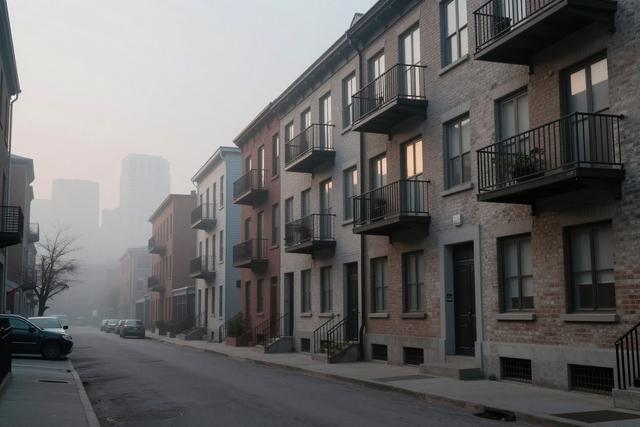
A Hydro‑Québec analysis of electricity consumption has identified roughly 25,000 residential units in Montreal that show no signs of occupancy, according to data released on June 19, 2026. The figure emerges as the city grapples with a pronounced shortage of affordable housing, prompting officials and community groups to scrutinise the pool of unused rental stock.
Radio‑Canada reported the findings, noting that the count is based on patterns of electricity use that suggest the units have been uninhabited for an extended period. The study has ignited a dispute between landlords and housing advocates, each side offering its own interpretation of why such a large number of homes remain vacant.
Landlords contend that the vacancies stem from circumstances they consider legitimate, while housing advocates argue that the empty units could be brought to market to alleviate the housing crunch. Both parties point to the same data but differ on its implications for policy and regulation.
The discovery arrives at a time when municipal authorities are under pressure to address the scarcity of rental housing, a situation that has driven up rents and limited options for many residents. The roughly 25,000 empty homes represent a significant proportion of the city's rental inventory, and the debate over their status may influence future measures aimed at encouraging owners to lease vacant properties.
Hydro‑Québec has not commented on the methodology beyond confirming that electricity usage patterns were the basis for the estimate. As the discussion continues, city officials are likely to consider how to balance property rights with the urgent need for more available housing in Montreal.