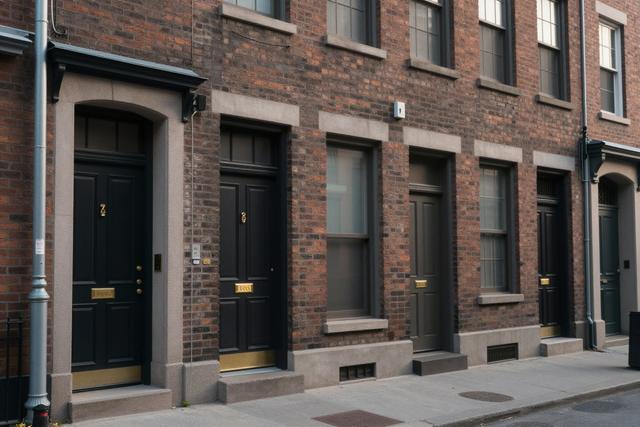
A Radio-Canada analysis that cross‑referenced Hydro‑Québec electricity usage data has identified roughly 25,000 housing units in Montreal that appear to be unoccupied. The figure, released on June 19, 2026, has ignited a debate between landlords and housing‑rights groups over why such a large number of apartments sit empty while the city grapples with a housing shortage.
The study relied on patterns of electricity consumption recorded by Hydro‑Québec, flagging properties with consistently low or zero usage as likely vacant. By aggregating this information across the metropolitan area, researchers produced an estimate of the scale of unused residential space. The methodology does not disclose individual addresses, but it offers a city‑wide snapshot that had not previously been quantified.
Landlords have pushed back against the headline number, suggesting that many of the flagged units are temporarily out of use for legitimate reasons such as renovations, seasonal leasing cycles, or pending tenant turnover. They argue that the data does not capture the dynamic nature of the rental market and caution against drawing conclusions about systemic vacancy.
Housing advocates, by contrast, view the findings as evidence of a misallocation of housing stock. They contend that thousands of empty apartments could be brought back into service to alleviate the pressure on renters, especially as Montreal continues to face rising rents and a shortage of affordable options. The groups call for policies that would incentivize owners to rent out or repurpose vacant units.
Montreal’s broader housing crisis provides the backdrop for the dispute. Over the past few years, demand for rental units has outpaced supply, prompting calls for increased construction, tighter rent controls, and measures to reduce vacancy rates. The new estimate adds a concrete dimension to those discussions, highlighting a potential resource that remains untapped.
Whether the 25,000 empty units represent a temporary anomaly or a longer‑term structural issue will shape policy debates in the months ahead. Both landlords and advocates agree that a clearer understanding of vacancy causes is essential for any effective response to the city’s housing challenges.