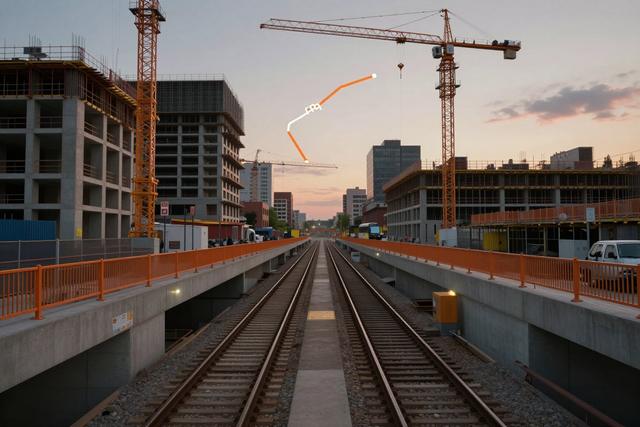
The Autorité régionale de transport métropolitain (ARTM) has released a new study indicating that completing the extension of the Metro’s orange line could eliminate thousands of cars from one of the city’s most heavily congested road corridors. The projection places the potential reduction of vehicle traffic at a scale that could ease pressure on a corridor known for chronic bottlenecks.
The study arrives as the orange line, a central component of Montreal’s rapid transit network, remains the focus of long‑standing discussions about lengthening the route and closing the existing loop. For years, planners and officials have debated the feasibility and benefits of extending the line, but the latest analysis provides fresh quantitative backing for the proposal.
According to the ARTM, the removal of thousands of cars would directly address the traffic congestion that plagues the corridor, offering commuters a viable alternative to driving. By shifting riders onto an expanded metro service, the extension aims to improve travel times and reduce the environmental impact associated with dense automobile traffic.
The report does not specify a timeline for construction or funding, but it signals that the extension remains a priority within the region’s transportation strategy. The ARTM’s findings are expected to inform upcoming policy decisions and could shape future investment in the Metro system.
Stakeholders in the transport sector have noted that the orange line’s extension would not only benefit daily commuters but also support broader urban planning goals, such as encouraging higher‑density development around new stations. While the study stops short of detailing exact routes or station locations, it reinforces the notion that completing the loop is a key lever for mitigating congestion on a corridor that has long struggled with capacity constraints.
As the ARTM prepares to move forward, the renewed focus on the orange line extension underscores the ongoing effort to balance Montreal’s growing mobility needs with sustainable, public‑transit‑oriented solutions.