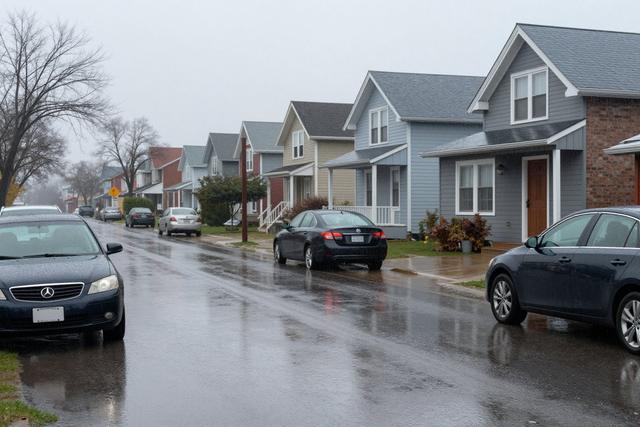
On June 21, 2026, intense torrential rainfall swept across the Greater Montreal area, causing water to enter and flood several hundred residences. The downpour, described as heavy and sustained, led to immediate damage to properties throughout the region, prompting emergency responses and assessments of the affected homes.
Local authorities reported that the volume of rain overwhelmed drainage systems, resulting in water accumulation in basements, ground‑floor rooms and other vulnerable areas of the houses. While the exact number of homes impacted has not been specified, officials confirmed that the scale of the event reached into the hundreds, affecting families across multiple neighborhoods.
The incident occurs against a backdrop of rising flood‑related expenses in the province. Data from the past decade shows that the average cost of flood claims in Quebec increased by 127.7 percent between 2014 and 2024, more than doubling over that period. This upward trend in claim amounts reflects a broader pattern of growing financial exposure to flood damage.
Insurance adjusters and municipal services have begun processing the surge in claims generated by the June 21 event. The heightened costs and the frequency of such incidents have led to increased attention on infrastructure capacity and flood mitigation measures, though specific policy responses were not detailed at the time of reporting.
Residents whose homes were inundated are being advised to document damage, secure their properties where possible, and cooperate with insurers and emergency crews. The heavy rain is expected to subside, but water levels in affected homes may remain elevated until pumps and drainage efforts are completed.
The flooding on June 21 adds to a series of weather‑related challenges faced by Greater Montreal, highlighting the need for continued monitoring of precipitation patterns and their impact on residential areas.