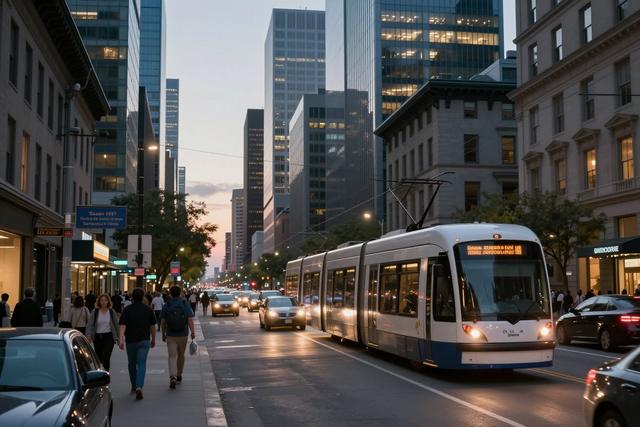
Montreal – The Metropolitan Community of Montreal (MMC) released a new study on September 5, 2026 that concludes public transit delivers greater economic benefits to the city’s gross domestic product than personal automobile use. The analysis, commissioned by MMC, directly compared the contribution of transit and car travel to Montreal’s overall economic output.
The study examined how each mode of transportation influences productivity, employment and revenue generation across the metropolitan area. While specific figures were not disclosed, the findings indicate that the aggregate impact of buses, metros and commuter rail exceeds that of private vehicles when measured against GDP growth.
Researchers involved in the project evaluated a range of factors, including the cost of infrastructure, operating expenses, and the ripple effects of mobility on local businesses. By aggregating these elements, the MMC report highlights the broader financial advantage of maintaining and expanding the public‑transport network.
The release arrives at a time when municipal officials are reviewing transportation strategies aimed at reducing congestion and environmental footprints. The study’s conclusions suggest that investments in transit could yield stronger economic returns than policies that prioritize road expansion or automobile incentives.
MMC officials said the report is intended to inform policy discussions and guide future budgeting decisions. They emphasized that the analysis provides a data‑driven foundation for evaluating the fiscal merits of different mobility options.
Stakeholders, including business groups and community organizations, are expected to review the study as part of ongoing debates about the city’s transportation priorities. The MMC plans to make the full report publicly accessible, allowing researchers and the public to scrutinize the methodology and results.
Overall, the study adds a quantitative dimension to conversations about how Montreal can best allocate resources to support sustainable growth, suggesting that public transit may be a more potent engine for economic expansion than reliance on personal cars.