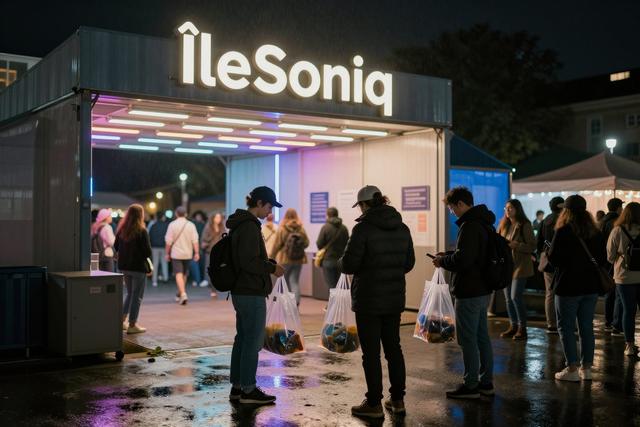
The organizers of Montreal’s annual ÎleSoniq music festival announced a last‑minute security measure that limits attendees to transparent bags only, prompting a wave of criticism on social media. The policy, introduced just days before the two‑day event scheduled for August 8 and 9, 2026, has been met with dissatisfaction from ticket holders who argue that the change was abrupt and inconvenient.
ÎleSoniq, known for drawing thousands of concertgoers each summer, has traditionally relied on a mix of security checks and personal responsibility to manage belongings. This year’s new requirement, however, was communicated after tickets had already been sold, leaving many festival‑goers to scramble for compliant bags or to reconsider their plans. Online discussions have highlighted the frustration of fans who feel the rule was imposed without adequate notice.
Festival officials have not provided additional details beyond the basic stipulation that only transparent bags will be permitted inside the venue. The decision appears to be driven by heightened security concerns, although the specific motivations have not been disclosed. Organizers have emphasized that the rule is intended to ensure a safe environment for all attendees during the August weekend.
The backlash underscores the challenges event planners face when altering security protocols close to an event date. While the transparent‑bag policy aims to streamline inspections and reduce potential threats, the timing of its rollout has sparked debate among the public. As the festival approaches, ticket holders will need to adjust their preparations to comply with the new guideline, and observers will watch how the policy impacts the overall experience at one of Montreal’s most popular summer music gatherings.
The situation remains fluid, with online commentary continuing to evolve as the festival dates draw nearer. Whether the rule will affect attendance numbers or the overall atmosphere of the event is yet to be seen, but the immediate reaction highlights the sensitivity of last‑minute changes in large‑scale public events.