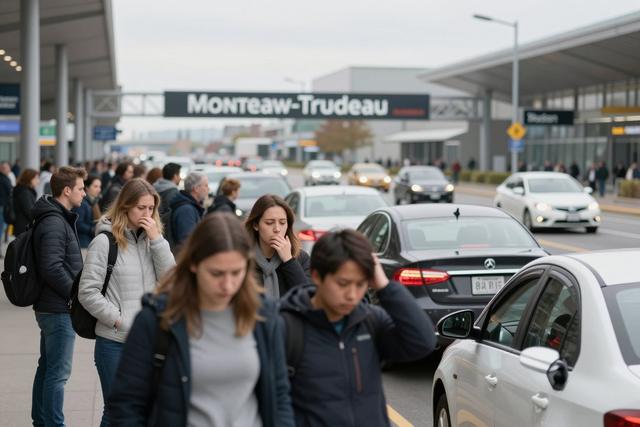
A dedicated Uber and Lyft boarding area opened at Montréal‑Trudeau International Airport on July 1, 2026, and has quickly become a source of frustration for passengers. The newly created zone, intended to streamline ride‑share pickups, is instead generating congestion and bottlenecks that affect both riders and drivers.
The airport’s decision replaced earlier arrangements that allowed ride‑share vehicles to gather in a more dispersed manner. Since the change, travelers report that even a modest flow of passengers creates a cramped space, leading to queues and delays. Drivers, who rely on swift turnarounds to serve multiple fares, encounter longer wait times as they navigate the limited area.
Observers note that the design of the new zone does not accommodate the volume of traffic it receives, despite the airport’s expectation that a dedicated space would improve efficiency. Passengers, accustomed to a smoother pickup experience, now face additional steps to locate an available vehicle, while ride‑share operators contend with the difficulty of positioning cars without blocking each other.
Airport officials introduced the zone as part of a broader effort to manage ground transportation more effectively. However, the immediate response from the traveling public suggests that the implementation has introduced more challenges than it resolves. The congestion appears to stem from the constrained layout of the area, which quickly fills when several groups of passengers arrive simultaneously.
Both Uber and Lyft drivers have expressed concerns about the impact on their ability to serve customers promptly. The situation underscores the complexity of redesigning airport ground‑level traffic flows, where even small changes can ripple into significant operational headaches for all parties involved.
As the airport monitors the situation, travelers and ride‑share providers alike await adjustments that might alleviate the current bottlenecks and restore a smoother pickup process.