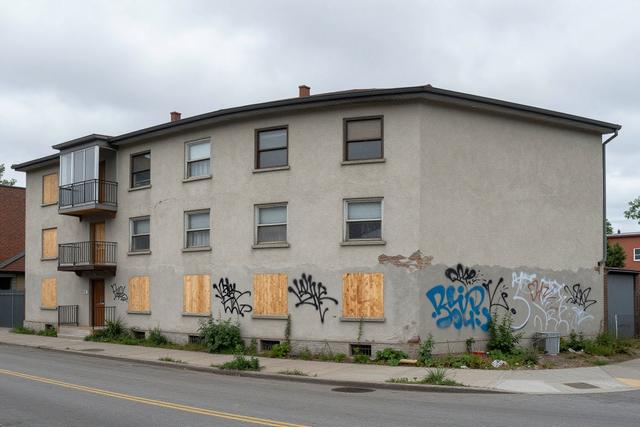
On June 16, 2026, two apartment blocks in East Montreal that were originally intended to house low‑income residents were found abandoned and in a state of severe disrepair. The structures, built to provide affordable housing, now stand empty, their façades marked by broken windows, crumbling masonry, and overgrown vegetation.
Local observers note that the neglect has left the buildings exposed to the elements, with visible water damage on interior walls, collapsed ceilings in several units, and rusted metalwork throughout the exteriors. The lack of maintenance has accelerated the decay, turning what once was a planned source of stable housing into a deteriorating eyesore.
The abandonment has raised concerns among residents of the surrounding neighborhood. People living nearby report worries about safety, potential vandalism, and the broader impact on property values. The vacant sites also present a risk of attracting illegal activities, according to community members who have voiced their unease.
City officials have not released a detailed plan for the properties, but the situation underscores a broader challenge of ensuring that affordable‑housing projects remain viable over time. The two buildings were part of a larger effort to address housing shortages for low‑income families, yet the current condition illustrates how neglect can undermine those goals.
As the buildings continue to deteriorate, the community hopes for prompt action to either restore the structures for their intended purpose or to secure the sites to prevent further decline. The fate of these two low‑income apartments remains uncertain, leaving residents and local stakeholders awaiting a resolution.
The episode highlights the fragile nature of affordable‑housing initiatives when ongoing upkeep is not assured, and it serves as a reminder of the importance of sustained investment in such projects.