Unions are denouncing what they describe as the privatization of the Old Port of Montreal, saying recent changes have limited public access to the riverfront.
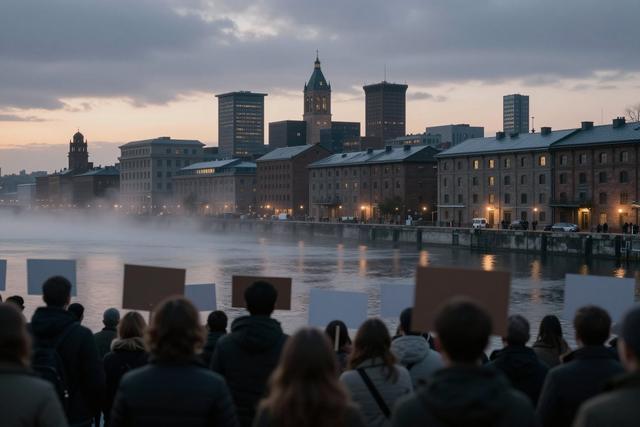
In August 2026, protest signs began appearing throughout the Old Port area. The signs call attention to what the unions view as a reduction in the ability of residents and visitors to freely use the waterfront. The displays have been placed in visible locations near popular walkways and docking zones, aiming to draw attention to the perceived shift toward private control.
Union representatives have said the alterations to the Old Port’s management structure have resulted in fewer open spaces and restricted entry points along the river. They argue that these measures diminish the historic public character of the waterfront and impede community enjoyment of the area. The unions are urging the provincial and municipal governments to intervene and restore full public access.
The protests have coincided with a broader discussion about the future of the Old Port, a historic site that draws large numbers of tourists and locals each year. While officials have not released detailed explanations for the recent changes, the unions maintain that the alterations amount to a de facto privatization, even if no formal sale has occurred.
As the signs remain in place, union leaders continue to press the government for clarification and corrective action. They have indicated that further demonstrations may follow if their concerns are not addressed. The situation underscores ongoing tensions between public interest groups and authorities regarding the management of Montreal’s waterfront assets.
The issue remains a point of focus for community members who frequent the Old Port, as well as for policymakers tasked with balancing development objectives with the public’s right to access the city’s historic riverfront.